
US Justice Department accuses two Chinese men of trying to smuggle Nvidia chips
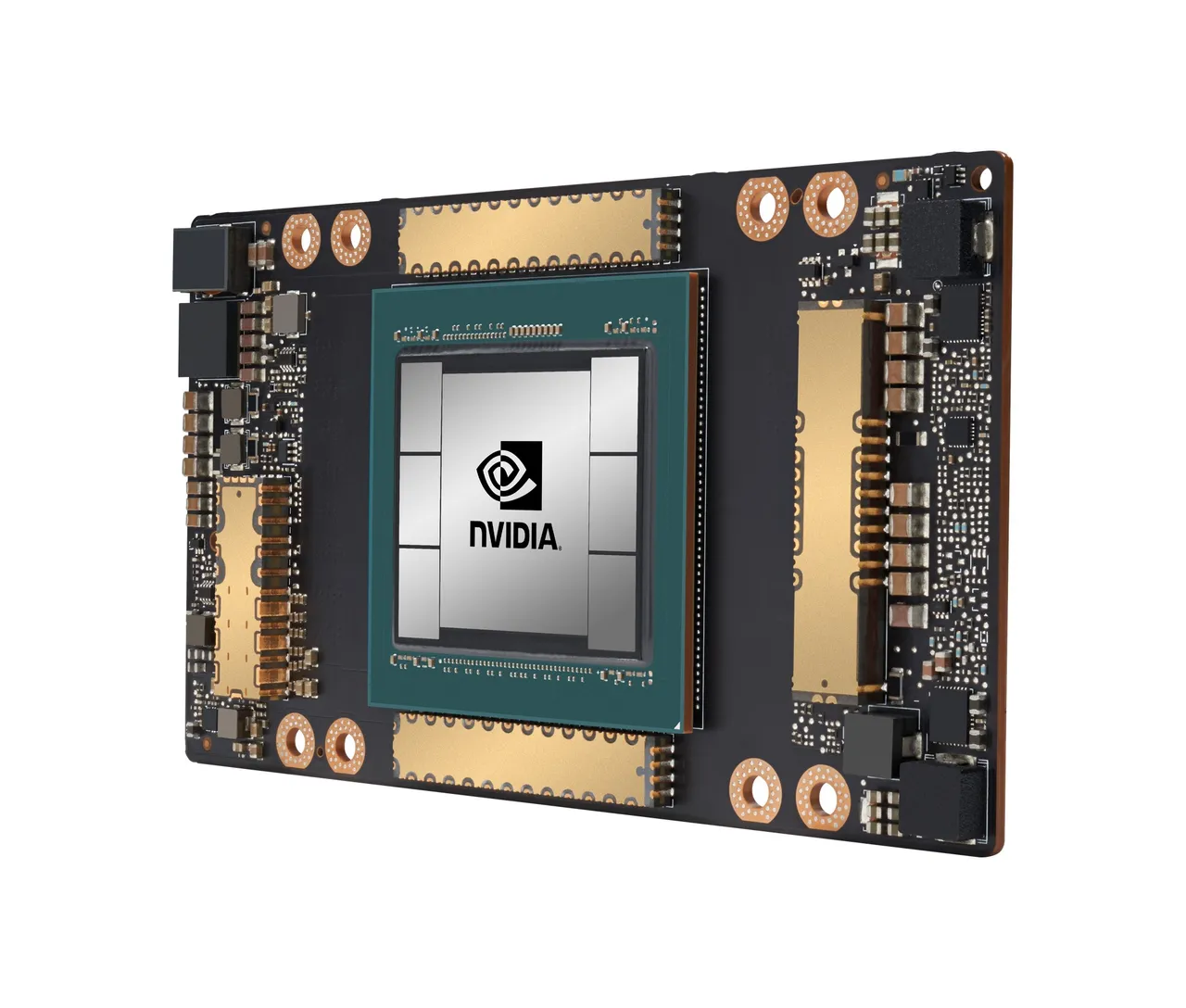
wo Chinese men are in custody for allegedly smuggling Nvidia (NVDA.O), opens new tab H100 and H200 chips to China. The U.S. Justice Department reported this on Monday. President Donald Trump gave the green light for Nvidia to export its H200 chips to Beijing.
Prosecutors allege that Fanyue Gong, 43, is a Chinese citizen living in New York. Benlin Yuan, 58, is a Canadian citizen from China. They independently conspired with employees of a Hong Kong-based logistics company. They also collaborated with a China-based AI technology company to circumvent U.S. export controls, according to the Justice Department.
In court documents, prosecutors said that Gong and his co-conspirators obtained the Nvidia chips through straw purchasers. They also used intermediaries. They falsely claimed that the goods were for U.S. customers or customers in third countries like Taiwan and Thailand.
The chips were shipped to multiple U.S. warehouses. Individuals removed the Nvidia labels there. They affixed labels bearing the name of what prosecutors believe was a fake company, according to the criminal complaint. The chips were then prepared for export, according to the complaint.
In a separate complaint, prosecutors said Yuan helped recruit and organize individuals. They inspected the mislabeled chips on behalf of the Hong Kong logistics company.
Yuan allegedly agreed to direct inspectors not to say the goods were destined for China. Prosecutors said he also directed discussions. He crafted a story his company could use to get chips and other equipment released after federal authorities seized them.
Prosecutors estimate that the scheme had been in operation since at least November 2023, according to court documents.
Yuan’s lawyer declined to comment, while a representative for Gong could not immediately be identified.
A spokesperson for the Chinese Embassy in Washington said “the Chinese government requires Chinese citizens abroad to strictly abide by local laws.” They are expected to adhere to regulations. They also “legally protect the legitimate rights and interests of Chinese citizens overseas.”
Another man, Alan Hao Hsu, 43, pleaded guilty in October. His company also pleaded guilty to smuggling and unlawful export activities as part of the scheme. This information is according to the Justice Department.
Hsu and his company received more than $50 million in wire transfers from China. This funding helped support the operations. These operations exported and attempted to export at least $160 million worth of export-controlled Nvidia chips, the department said.
“Operation Gatekeeper has exposed a sophisticated smuggling network. This network threatens our Nation’s security by funneling cutting-edge AI technology to those who would use it against American interests,” Nicholas J. Ganjei, the U.S. attorney for the Southern District of Texas, said in a statement.
“Millions of controlled GPUs are in service at businesses, homes, and schools. We will continue to work with the government. We will also cooperate with our customers. Our goal is to ensure that second-hand smuggling does not occur,” a Nvidia spokesperson said, calling the sale of older generation products on the secondary market “subject to strict security and review.”
In 2022, the U.S. government implemented export controls cutting China off from certain semiconductor chips made anywhere in the world with U.S. equipment. The Trump administration in September expanded its restricted export list. This expansion automatically includes subsidiaries owned 50% or more by a company on the list.