

AI-Iran War Videos Go Viral as Creators Cash In on New Tech
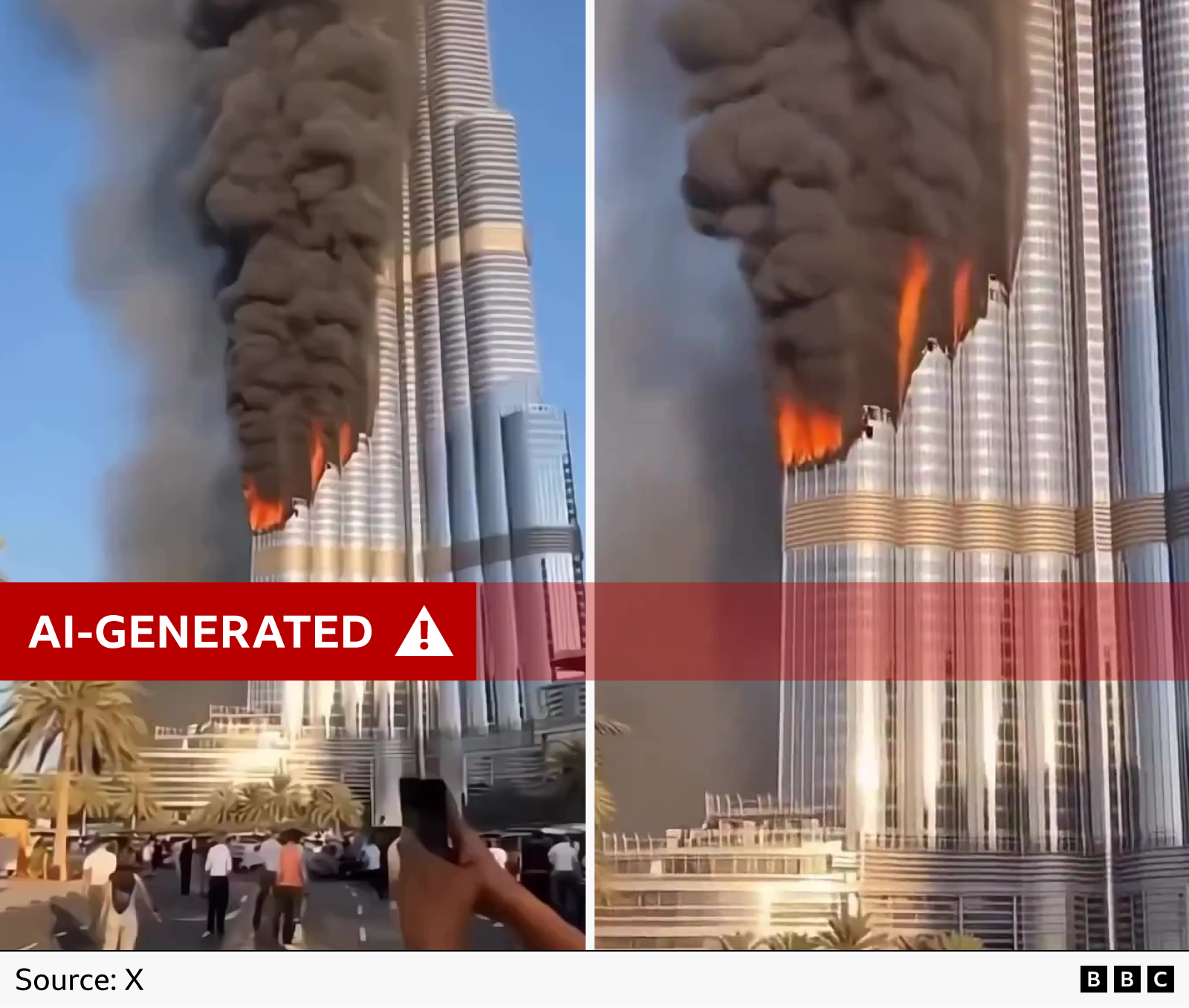
The rise of AI-generated Iran war videos has created a new challenge for social media platforms and online audiences. Content creators now use advanced artificial intelligence tools to produce realistic war footage within minutes. These clips spread quickly across social media and often attract millions of views.
Many creators upload AI-generated Iran war videos to gain engagement, increase followers, and earn money through platform monetization programs. The trend highlights how artificial intelligence now shapes the way people consume news about global conflicts.
The Rapid Rise of AI-Generated Iran War Videos
Recent reports reveal that AI-generated Iran war videos have surged online as tensions in the Middle East increase. Digital investigators have discovered numerous fake videos showing missile strikes, explosions, and battlefield scenes that never happened.
Modern AI tools allow creators to produce highly convincing war footage in minutes. In the past, producing such realistic content required professional video production teams. Today, generative AI models and video diffusion tools make it easy for anyone to create dramatic combat scenes.
Because these videos appear realistic, many viewers struggle to tell the difference between authentic footage and synthetic media.
Why Creators Produce Ai War Videos
Many online creators produce AI-generated Iran war videos primarily to attract attention and generate revenue. Social media algorithms reward content that receives high engagement, including likes, shares, and comments.
When a video about war goes viral, creators can earn money through advertising programs and creator revenue-sharing systems. Some individuals even operate networks of fake accounts to distribute large volumes of AI-generated content.
Investigations recently revealed that dozens of social media accounts circulated AI war footage to gain views and manipulate public conversations online.
Social Media Platforms Respond to AI War Content
Social media companies have started to react to the growing flood of AI-generated Iran war videos.
One major platform introduced new rules that require creators to clearly label AI-generated war footage. Creators who fail to disclose that their content uses AI risk losing access to monetization programs.
The new policy aims to protect the authenticity of information during wartime and prevent creators from exploiting fake war footage for profit.
Platforms also plan to deploy AI detection systems and human moderators to identify manipulated videos and reduce misinformation.
The Danger of AI-Generated War Footage
The spread of Ai Iran war videos creates serious risks for public understanding of global events.
Fake footage can:
- Mislead millions of viewers
- Spread propaganda during conflicts
- Damage trust in real journalism
- Make it harder to verify authentic war evidence
Experts warn that synthetic media can easily distort narratives and influence public opinion during times of geopolitical tension.
As artificial intelligence becomes more powerful, distinguishing between authentic and fabricated content will become even more difficult.
How Viewers Can Recognize AI-Generated War Videos
To avoid falling for Ai war videos, viewers should always verify the source of the content.
Follow these simple steps:
- Check whether the video comes from a trusted news organization.
- Look for AI disclosure labels on social media platforms.
- Search for the same footage on verified news websites.
- Examine unusual visual details such as inconsistent shadows or unrealistic explosions.
Critical thinking remains one of the most effective defenses against AI-generated misinformation.
The Future of AI-Generated War Content
The explosion of Ai Iran war videos shows how artificial intelligence now influences modern information warfare. While AI technology offers powerful creative tools, it also introduces new risks for misinformation and digital manipulation.
Governments, technology companies, and journalists will need stronger tools and policies to combat fake AI media. Without proper safeguards, AI-generated content could reshape the way wars and global crises appear online.
For now, viewers must stay cautious and verify every viral video before believing it.
Related Posts:
Iran selects new supreme leader as Middle East war enters second week
Iran warns war is entering “new phase,” threatens retaliation on energy infrastructure
How to Set Up Your New iPhone and Transfer All Your Data Easily




Related Articles
How to use AI for Graphics Design
AI in graphic design refers to the use of machine learning algorithms...
How to change your passcode and turn on Stolen Device Protection on iPhone | Apple Support
You can update your iPhone passcode, review security settings that may grant...
Moonshot AI Launches Open-Source Model in Bid to Regain Market Lead
Chinese AI company Moonshot AI has released a powerful open-source large language...