

Apple Prepares Affordable 13-Inch Laptop Powered by iPhone’s A18 Pro SoC
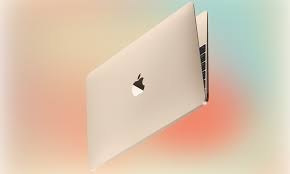
Apple is Building a Budget MacBook with an iPhone Chip — Here’s What We Know
Apple is gearing up for a bold new move in its Mac lineup: introducing a budget-friendly 13-inch MacBook powered not by its usual M-series chips, but by the A18 Pro — the same SoC found in its current flagship iPhones.
This marks Apple’s first major attempt at making an affordable MacBook by repurposing smartphone-grade silicon, aiming to strike a balance between cost, performance, and style — especially for students and casual users.
Why the A18 Pro Chip?
Instead of using a custom M-series processor like the M2 or M3, this new MacBook will be powered by the A18 Pro, a chip originally designed for the iPhone 16 Pro lineup.
This strategy allows Apple to:
• Lower manufacturing costs by utilizing existing chip production.
• Deliver solid performance for everyday tasks, such as web browsing, word processing, video streaming, and light productivity.
• Maintain battery efficiency and passive cooling, since the A18 Pro is optimized for mobile devices and doesn’t require a fan.
While the multi-core performance of the A18 Pro lags behind Apple’s desktop-class M-series chips, its single-core performance is competitive with the new M4, making it a smart choice for light to moderate computing.
What to Expect from the New 13-inch MacBook
Apple’s entry-level MacBook will likely look and feel like a slimmed-down MacBook Air:
• 13-inch display (approximate)
• Unibody aluminum design
• Minimal or no visible vents due to passive cooling
• Multiple color options reminiscent of the iMac lineup — including silver, blue, pink, and yellow
The device is expected to focus on portability, simplicity, and appeal to younger demographics and educational institutions.
Production Timeline & Sales Outlook
According to reliable analyst Ming-Chi Kuo, Apple is targeting late Q4 2025 or early Q1 2026 for the start of mass production.
This model is a key part of Apple’s strategy to:
• Reinvigorate MacBook shipments, which have slowed since the pandemic.
• Return to pre-pandemic highs of ~25 million Mac units shipped annually by 2026.
• Sell 20 million MacBooks in 2025, with 5–7 million expected to come from this new entry-level 13-inch model alone.
That would make this laptop one of the most important product launches in Apple’s Mac division for 2025.
Performance Expectations: Will It Be Enough?
Though the A18 Pro isn’t built for heavy workloads like video editing or software development, it should handle basic computing tasks with ease:
• Smooth multitasking
• Instant-on performance
• Long battery life
• Seamless integration with iCloud, iMessage, and Apple ecosystem features
This MacBook could become the ideal lightweight companion for students, casual users, and even enterprises looking for fleet deployment options.
Final Thoughts
Apple’s decision to repurpose its iPhone chip architecture for a MacBook represents a pivotal evolution in its product strategy. By lowering the entry barrier, Apple can attract new users while keeping quality and experience intact.
If successful, this new 13-inch model could reshape how we think about MacBooks — not just as premium tools, but also as accessible, everyday devices.
Stay Tuned
With production expected to begin in late 2025, we’re likely to hear more about this device in early 2026 — possibly during a Spring product event or via press release. Keep an eye out for updates as Apple gets ready to launch what could be its most affordable MacBook yet.




Related Articles

How to Improve IT Knowledge
Learn why IT knowledge is important today. Discover how technology creates career...

Artificial Intelligence and the New Era of Human Expertise
Welcome to the first edition of The Intelligence Shift, a monthly series...
Controlling the Connectivity Stack: G+D Reveals New Innovations at MWC
Controlling the Connectivity stack is at the core of modern mobile networks,...

Technology Trends 2026 That Will Shape the Future
Self-driving vehicles, humanoid robots, AIs trained in space, and the possible successor...