

Tech
Stay updated with the latest technology news, gadget reviews, software updates, AI trends, and innovations shaping the digital world.
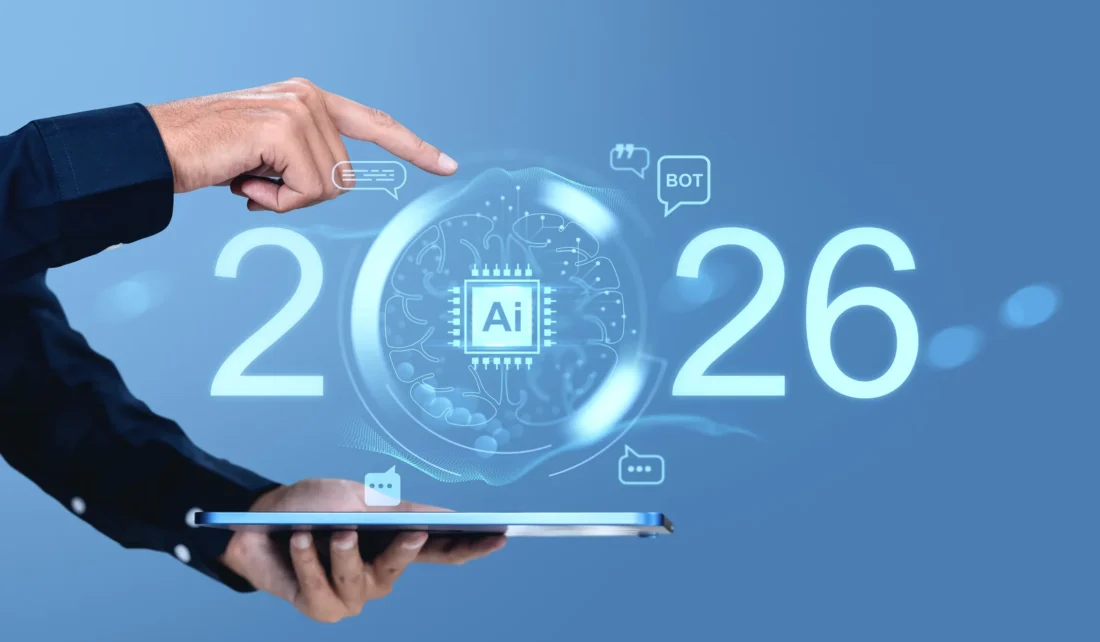
Technology Trends 2026 That Will Shape the Future
Self-driving vehicles, humanoid robots, AIs trained in space, and the possible successor to the smartphone all in the Technology trends 2026.
As the emergence of ChatGPT in late 2022, a strong sense of rapid technological acceleration has been experienced worldwide. However, major technological revolutions are rarely completed overnight. Instead, technological transformations are usually built gradually as new infrastructure is developed and social adoption increases for the Technology trends 2026.
According to Esteve Almirall, a professor at Esade and innovation expert, the coming years will mark a turning point. In an article published in La Vanguardia, it was explained that technological shifts require time because new infrastructure must be constructed before mass adoption occurs. In the past, global internet networks were built to support digital growth. Today, massive AI infrastructure and advanced data centers are being constructed to support artificial intelligence systems.
It has been predicted that 2026 will become a milestone year for technology trends, as artificial intelligence adoption will be expanded and digital transformation will accelerate across industries.
Below are the 12 technology trends 2026 that are expected to shape the global agenda.
1. Artificial Intelligence Will Continue to Expand
Artificial intelligence development can no longer be slowed. AI models are being improved rapidly, and major investments are being made by companies and governments worldwide in technology trends 2026.
The question is no longer whether AI will outperform humans in certain tasks. Instead, the global economy will be reorganized around this new reality. As a result, AI transformation will increasingly be treated as both an economic opportunity and a geopolitical competition.
2. AI Agents Will Become More Common
A major shift will be introduced through AI agents. Unlike traditional AI systems that only respond to instructions, intelligent agents will be designed to act independently.
Through language models and automated reasoning, tasks such as purchasing goods, planning travel, negotiating deals, and managing business operations will be handled automatically. By 2026, these systems are expected to be integrated gradually into everyday digital experiences.
3. Autonomous Mobility Will Reshape Cities
In many major cities in the United States and China, autonomous vehicles are already being deployed. Driverless taxis and delivery vehicles are being tested and expanded in urban areas.
As this technology continues to mature, fewer privately owned cars will be required. Consequently, urban design may be reshaped, congestion could be reduced, and transportation networks will be optimized.
4. Logistics Will Be Transformed in Technology trends 2026
A new era of logistics efficiency will be created through autonomous trucks and advanced battery technologies.
Lower transportation costs are expected to be achieved through sodium battery systems, which are cheaper and longer-lasting than traditional lithium batteries. As supply chains become shorter and more efficient, industries will gain stronger competitive advantages.
5. Humanoid Robots Will Enter the Workforce
The arrival of humanoid robots is expected to accelerate. These machines are already being developed to assist in factories, hospitals, and logistics centers.
According to predictions made by Lei Jun, CEO of Xiaomi, many roles currently performed by humans may eventually be supported or replaced by robots. Large-scale adoption is expected to begin gradually in the coming years.
6. Language Barriers Will Be Reduced
Real-time translation technology is being developed by major companies such as Apple and Google. Through smart headphones and AI-powered systems, conversations between people speaking different languages will be translated instantly.
Although language skills will still be valued, the barrier created by language differences will be significantly reduced.
7. Organizations Will Be Rebuilt Around AI
Businesses are expected to undergo significant structural transformation. Smaller teams may be supported by powerful digital systems, including AI agents, robotics, and automation tools.
In these hybrid workplaces, human workers will coordinate intelligent systems, while decision-making processes will increasingly be supported by data-driven platforms.
8. Artificial Intelligence Will Move Into Space
Space may become a new location for advanced computing. Due to favorable thermal and energy conditions, data centers in orbit could be established.
A recent collaboration between Nvidia and StarCloud has already demonstrated the possibility of training AI models in space. If launch costs continue to decline, space computing infrastructure could expand rapidly.
9. Telecommunications Will Expand Globally
Global communication networks are expected to be transformed. Mobile phones are already being connected directly to satellites through systems such as Starlink.
In addition, 10G network technology is currently being tested in China. These developments may significantly disrupt traditional telecommunications companies.
10. AI Scientists and Engineers Will Emerge
Artificial intelligence systems capable of conducting research independently are being developed. Through autonomous experimentation and analysis, scientific discovery could be accelerated.
This means that innovation capacity will no longer depend only on human expertise. Instead, AI-driven research systems will multiply scientific productivity.
11. The Successor to the Smartphone Is Being Explored
For years, companies have attempted to develop devices capable of replacing smartphones. Technologies such as virtual reality headsets and smartwatches have been introduced, but none has fully replaced the smartphone.
However, new attempts are now being made. OpenAI has recruited Jony Ive, the designer behind the iPhone and iPod, to explore the next generation of computing devices.
12. Hyperloop Development Will Continue in China
While several countries have abandoned the Hyperloop concept, China continues to invest in the technology.
High-speed transport systems capable of reaching speeds above 1,000 km/h are currently being researched. If successful, this transportation system could reshape regional economies and dramatically reduce travel time between major cities.
The technology trends 2026 highlight how rapidly innovation is advancing. Artificial intelligence, robotics, autonomous transportation, and advanced communication networks are being developed simultaneously.
As these technologies mature, industries will be transformed, new economic opportunities will emerge, and everyday life will be reshaped. Although these changes will not occur instantly, the foundation for the next technological era is already being built.
See Also:
US: Trump Warns Microsoft, Google, Other Tech Giants to “Stop Hiring In India”

Social Media Access Limited in Indonesia for Under-16 Users
The Indonesian government plans to block social media access for users under 16 years old. This decision targets popular platforms, including social media apps and other online services, aiming to protect children from online risks.
Authorities argue that teenagers face exposure to inappropriate content, cyberbullying, and digital addiction. By restricting social media access, Indonesia hopes to create a safer online environment for minors and encourage healthier digital habits.
Why Indonesia Enforces Social Media Restrictions
Social media platforms expose teens to numerous challenges:
- Exposure to harmful or explicit content
- Risk of cyberbullying and harassment
- Excessive screen time affecting mental health
- Influence from misinformation or fake news
Blocking social media access for teens ensures parents and guardians can better control online experiences while platforms implement stricter age verification measures.
Impact on Teens and Families
The policy may reshape how teenagers engage online. Many teens will need parental guidance to use platforms legally, while families gain tools to supervise online activity.
Experts believe this measure could reduce online risks, increase safety, and encourage educational or offline activities.
Platform Response and Compliance
Social media companies operating in Indonesia must now verify user ages. Platforms risk penalties if they allow underage users to bypass the restriction.
This move sets a precedent for other countries considering similar measures to protect minors in the digital space.
Indonesia’s plan to block social media access for teens under 16 highlights the growing focus on child safety online. Parents, educators, and platforms must work together to ensure safe, age-appropriate internet usage.
Related Posts:
AI-Iran War Videos Go Viral as Creators Cash In on New Tech
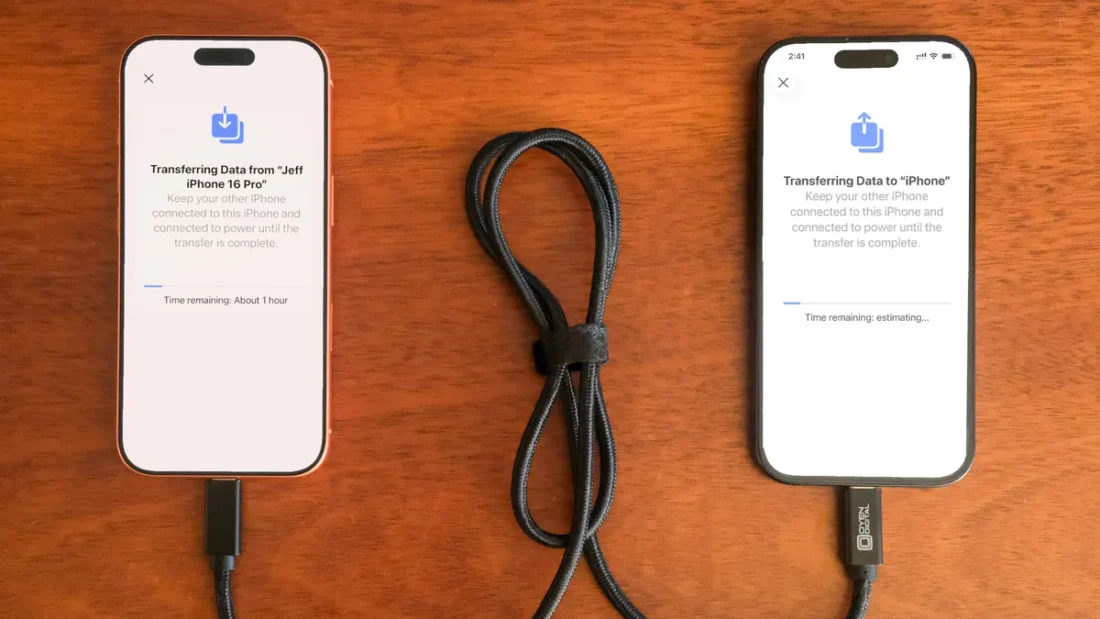
Transfer Your Data to a New iPhone: Easy Setup Guide
Upgrading to a new iPhone? Whether you’re switching from an old iPhone or coming from Android, Apple makes it incredibly simple to transfer your data and set up your new device. In this guide, you’ll learn how to transfer everything to your new iPhone including contacts, messages, apps, photos, settings, and more without losing any data.
Let’s explore the easiest and most secure ways to get your new iPhone up and running in minutes.
What You Need Before You Begin to Transfer your data
Before you transfer your data, make sure you have:
- Both your old and new iPhones (or Android phone if switching)
- A stable Wi-Fi connection
- Apple ID and password
- iCloud backup or Lightning/USB-C cable (optional for Quick Start)
- The latest iOS version installed (recommended)
Method 1: Use Quick Start to Transfer your data from iPhone to iPhone
Best for: iPhone to iPhone transfers with minimal hassle
Quick Start is the easiest way to transfer data wirelessly when setting up a new iPhone.
Steps:
- Turn on your new iPhone and place it near your old iPhone.
- On your old device, a Quick Start screen will appear. Tap Continue.
- Use your old iPhone to scan the animation on your new iPhone.
- Follow the on-screen steps to set up Face ID or Touch ID.
- Choose “Transfer from iPhone” to move your data directly.
⏱️ Time required: Depends on data size. Make sure both devices stay connected to Wi-Fi and power.
Method 2: Use iCloud Backup to Transfer Data
Best for: Backing up and restoring from the cloud
If you backed up your old iPhone to iCloud, you can restore it during the new iPhone setup.
Steps:
- On your old iPhone, go to Settings > [Your Name] > iCloud > iCloud Backup.
- Tap “Back Up Now” and wait for the backup to finish.
- Turn on your new iPhone and follow the setup instructions.
- On the Apps & Data screen, select “Restore from iCloud Backup.”
- Sign in with your Apple ID and select the latest backup.
🔐 Your apps, photos, settings, and messages will restore automatically.
Method 3: Use a Cable to Transfer Data (Wired Transfer)
Best for: Faster data transfers with large files
If you prefer a wired connection:
- Connect your old and new iPhones with a Lightning-to-USB-C or Lightning-to-Lightning cable.
- During setup, choose “Transfer from iPhone” and follow the prompts.
- Keep both devices connected until the transfer completes.
🚀 This method is faster than wireless and ideal for devices with lots of content.
Switching from Android? Use “Move to iOS” App
Steps:
- Download Move to iOS from Google Play Store on your Android phone.
- During iPhone setup, select “Move Data from Android”.
- Follow the on-screen prompts on both devices.
- Transfer contacts, messages, photos, calendars, and more.
💡 Tip: Disable iMessage on your Android before switching to avoid missing texts.
Final Tips for a Smooth Setup
- Make sure Bluetooth and Wi-Fi are enabled on both devices
- Keep devices plugged in to avoid battery loss during transfer
- Update your apps after the transfer completes
- Double-check that important data like health records or messages have fully synced
Related Posts You Might Like:
- How to Back Up Your iPhone to iCloud or Computer (2025 Guide)
- How to Free Up Storage Space on iPhone Without Deleting Apps
- Top iPhone Security Tips You Should Know in 2025
- How to Transfer WhatsApp Chats to New iPhone
Setting up a new iPhone doesn’t have to be stressful. Whether you’re using Quick Start, iCloud, or cable transfer, Apple provides multiple ways to help you transfer all your important data without a hitch.
Now that you know how to set up your new iPhone and transfer all your data easily, enjoy your upgraded device with everything intact!
See Also:
iCloud Backup: How to Back Up Your iPhone to iCloud or Computer
Australians must prove they are over 18 to access porn under new laws