

Tech Solutions
Explore practical tech solutions, smart tools, digital services, and innovative ideas designed to solve everyday and business challenges.

How to Improve IT Knowledge
Learn why IT knowledge is important today. Discover how technology creates career opportunities. Understand why students must study computers for the digital future.
As a result, most of us need to know how to use computers. Our knowledge of computers will help us to tap into challenging career opportunities and enhance the quality of our lives. Schools and educators must encourage and motivate talented students to study computers so they can become capable and responsible IT professionals. The education model must adapt to dynamically changing technology. It needs to meet the growing demand for skilled IT manpower. It should deliver state-of-the-art, industry-relevant, and technology-ready programs. Today, the term Information Technology (IT) has ballooned to encompass many aspects of computing and technology and the term is more recognizable than ever before. The Information Technology umbrella can be quite large, covering many fields. IT professionals perform a variety of duties that range from installing applications, managing information, to designing complex applications, managing computer networks and designing and managing databases.

Over the years, global IT innovations and technological advancements have produced numerous IT-enabled devices and services. Moreover, there is need for IT today, not just in urban areas but rural regions as well. Countries and populations that are guided by high-tech workers and entrepreneurs will lead IT development. These groups will be at the forefront. As a result, most of us need to know how to use computers. Our knowledge of computers will help us to tap into challenging career opportunities and enhance the quality of our lives.Educators and institutions must encourage and motivate talented students to study computers and become capable, responsible IT professionals.



How it Works?
As a result, most of us need to know how to use computers. Our knowledge of computers will help us to tap into challenging career opportunities and enhance the quality of our lives. Educators must encourage and motivate talented students to study computers and become capable, responsible IT professionals. The education model needs to align itself with dynamically changing technology. It must meet the growing need for skilled IT manpower. It should deliver state-of-the-art, industry relevant and technology ready programs. Today, the term Information Technology (IT) has grown significantly. It now encompasses many aspects of computing and technology. The term is more recognizable than ever before. The Information Technology umbrella can be quite large, covering many fields. IT professionals perform a variety of duties. They range from installing applications and managing information to designing complex applications. They also manage computer networks and design and manage databases.
See Also: Artificial Intelligence and the New Era of Human Expertise
See More: Information Technology (IT) Fundamentals for Everyone
Top iPhone Security Tips You Should Know in 2025
In today’s increasingly digital world, securing your iPhone is more important than ever. Whether you’re protecting personal data, banking apps, or private photos, iPhone users must stay proactive to prevent cyber threats. Apple continues to enhance iOS security, but there are still key steps you should take to stay protected.
In this guide, we’ll explore the top iPhone security tips for 2025 and how you can easily apply them.
1. Use a Strong Passcode (Not Just Face ID)
While iPhone Face ID and Touch ID are convenient, a strong passcode is still essential. Avoid using simple numbers like “1234” or birthdays. Instead:
- Use a 6-digit alphanumeric code in your iPhone.
- Avoid repeating digits or patterns.
- Enable “Erase Data” after 10 failed passcode attempts under
Settings > Face ID & Passcode.
Related: How to Reset Your iPhone if You Forgot the Passcode
2. Keep iOS Updated
Apple regularly releases iOS updates that patch iPhone security vulnerabilities. In 2025, staying on the latest iOS version is critical.
- Go to
Settings > General > Software Updateto check manually. - Enable automatic updates for both iOS and app updates.
Bonus Tip: Also update your apps frequently, as they may contain fixes for known security flaws.
3. Review App Permissions
Some iPhone apps request unnecessary access to your microphone, camera, or location. Here’s how to stay in control:
- Navigate to
Settings > Privacy & Security. - Review which apps access Camera, Microphone, Contacts, Location, etc.
- Disable permissions for apps that don’t need them.
Learn more: How to Free Up Storage Without Deleting Apps
4. Use Apple’s Advanced Data Protection (iCloud Encryption)
Starting with iOS 17 and beyond, Apple offers Advanced Data Protection for iCloud. This end-to-end encryption protects your data from unauthorized access—even Apple can’t decrypt it.
To enable:
- Go to
Settings > [Your Name] > iCloud > Advanced Data Protection.
This encrypts:
- Messages backups
- Photos
- Notes
- Device backups
5. Enable Two-Factor Authentication for Apple ID
2FA adds an extra layer of protection to your Apple ID and iCloud account. Always use two-factor authentication (2FA) and verify trusted devices regularly.
- Go to
Settings > [Your Name] > Password & Security. - Ensure 2FA is On and add backup phone numbers just in case.
Read also: How to Back Up Your iPhone to iCloud or Computer
6. Activate Lockdown Mode (For High-Risk Users)
If you’re a journalist, government official, or feel at risk of sophisticated cyberattacks, Lockdown Mode offers extreme protection.
To enable:
- Go to
Settings > Privacy & Security > Lockdown Mode.
What it does:
- Blocks message attachments
- Limits web browsing features
- Disables FaceTime from unknown numbers
This feature is available starting from iOS 16 and now improved in iOS 18 (2025).
7. Use a Private Relay or VPN for Browsing
iCloud Private Relay helps hide your IP address and browsing activity in Safari.
To activate:
- Go to
Settings > [Your Name] > iCloud > Private Relay.
Alternatively, consider a trusted VPN app if you use third-party browsers or need more flexible location options.
8. Disable USB Accessories When Locked
Hackers may use USB accessories to access your phone without your knowledge.
- Go to
Settings > Face ID & Passcode. - Scroll to USB Accessories and toggle Off.
This prevents unauthorized devices from connecting when your iPhone is locked.
9. Turn Off Location Services for Unnecessary Apps
Too many apps track your location, which can be risky. To limit this:
- Go to
Settings > Privacy & Security > Location Services. - Set apps to “While Using” or “Never”.
- Use Share My Location only when necessary.
10. Use Built-In Password Manager (Keychain)
Stop using the same passwords for every app or website. Apple’s iCloud Keychain helps store strong, unique passwords securely and alerts you of breaches.
- Manage it via
Settings > Passwords. - Enable Security Recommendations for compromised passwords.
Helpful: Best Antivirus Tools for iPhone and iPad in 2025
In 2025, iPhone security is not just about setting a passcode it’s about being vigilant, informed, and proactive. By following these top tips, you can ensure your data, identity, and privacy stay protected.
Remember: Security starts with awareness. Share this post with fellow iPhone users and check your settings today!
Related Posts:
- How to Set Up and Use Apple Cash on iPhone
- How to Free Up iPhone Storage Without Deleting Apps
- How to Back Up Your iPhone to iCloud or Computer
- US draws up strict AI guidelines amid Anthropic clash,
- The most important Google setting you aren’t using
iPhone Storage Tricks to Free Up Space Without Deleting Apps
Is your iPhone constantly showing the “Storage Almost Full” warning, but you don’t want to delete your favorite apps? You’re not alone. With photos, videos, system files, and cached data piling up, it’s easy to run out of space quickly.
In this 2025 guide, we’ll show you exactly how to free up storage space on your iPhone without deleting apps using smart iOS tools and hidden settings to reclaim valuable memory and improve your device’s performance.
Why Is iPhone Storage Full Even with Few Apps?
Many users wonder why their storage is full even though they haven’t installed too many apps. Here’s why:
- Photos and videos take up a huge portion of space
- System files and iOS updates grow over time
- App caches, messages, and attachments build up silently
- Downloaded media (from WhatsApp, Safari, Mail) eats into space
The good news? You can fix it without deleting apps.
10 Smart Ways to Free Up iPhone Storage Without Removing Apps
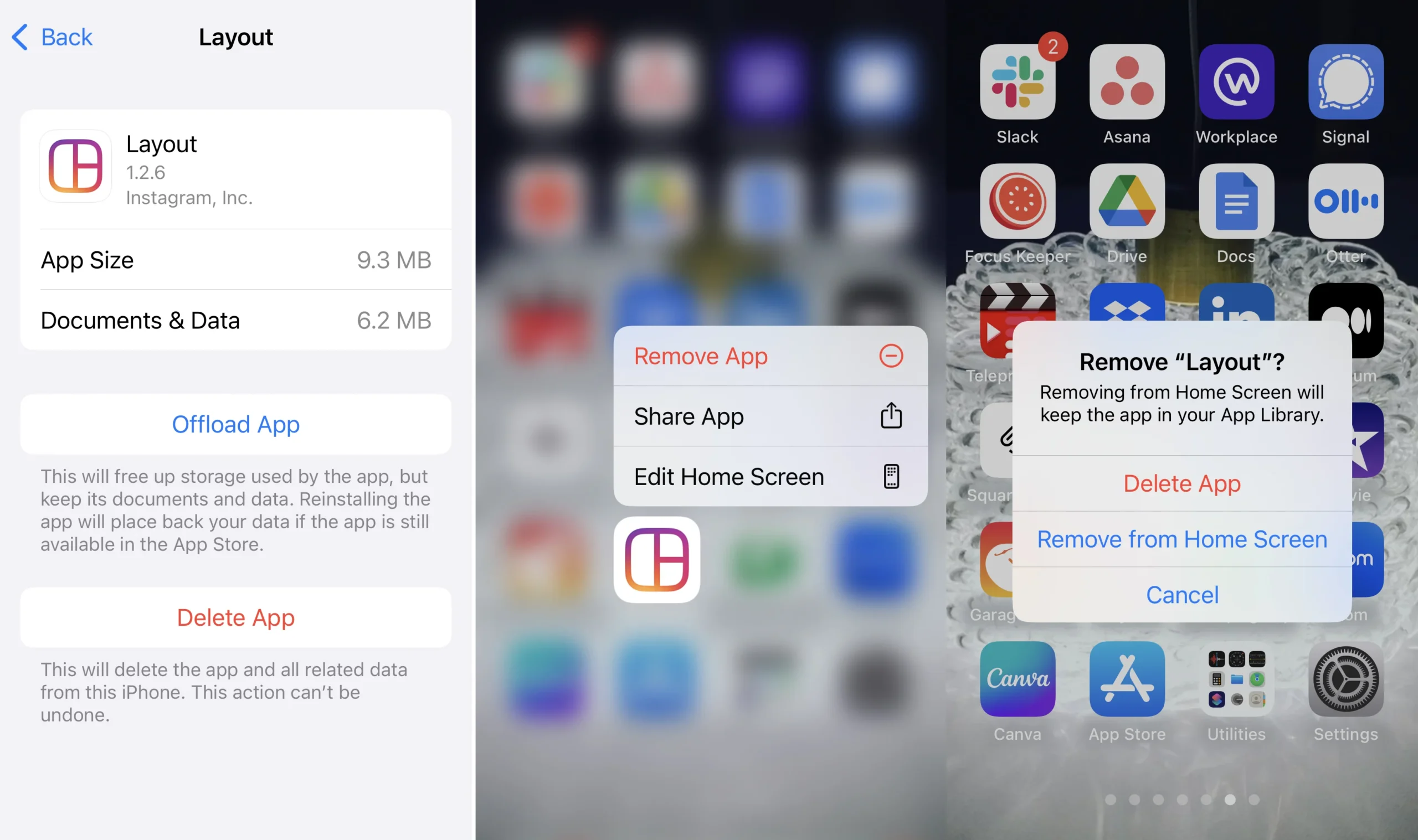
1. Offload Unused Apps (Without Deleting Data on iPhone storage)
- Go to Settings > General > iPhone Storage
- Tap on apps you rarely use
- Select “Offload App”
This removes the app itself but keeps all your data and documents. You can re-download the app later without losing anything.
2. Optimize Photo Storage with iCloud
- Go to Settings > Photos
- Enable “iCloud Photos”
- Select “Optimize iPhone Storage”
Your full-resolution photos are stored in iCloud, while smaller, space-saving versions remain on your device.
3. Delete Old Message Attachments
- Go to Settings > Messages > Keep Messages
- Change setting from Forever to 1 Year or 30 Days
- In Messages > Photos/Attachments, manually delete large files
Tip: You can sort message attachments by size in iOS 17.
4. Clear Safari Cache and Website Data
- Go to Settings > Safari
- Tap Clear History and Website Data
This removes cached files, cookies, and browsing history that can take up space.
5. Manage Downloads and Email Attachments
- Open the Files app
- Navigate to the Downloads folder and delete unused files
- In Mail settings, limit automatic download of attachments
6. Remove Offline Media from Apps
Apps like Spotify, Netflix, and YouTube store downloaded content:
- Open the specific app
- Find offline downloads and remove what you no longer need
You keep the app just free up the media inside it.
7. Use Apple’s “Recommendations” in iPhone Storage Settings
- Go to Settings > General > iPhone Storage
- Check the Apple storage recommendations
- Tap to enable space-saving features like Review Large Attachments or Empty Recently Deleted Album
8. Enable Auto Delete for Old Conversations
- Go to Settings > Messages
- Enable Auto-Delete Old Conversations
This keeps your device clutter-free from years of unused chats.
9. Delete System Junk via Restart or Update
Sometimes, temporary files and cache are cleared automatically with:
- A simple restart of the iPhone
- Installing the latest iOS update under Settings > General > Software Update
10. Use iCloud or External Storage for Files
Consider moving files to:
- iCloud Drive
- Google Drive / Dropbox
- External flash drives (via Lightning or USB-C)
Perfect for backing up videos, photos, and documents without deleting anything.
Related Posts You’ll Find Helpful:
- How to Back Up iPhone to iCloud or Computer (2025 Guide)
- How to Set Up Your New iPhone and Transfer Data Easily
- Best Cloud Storage Options for iPhone Users in 2025
- Top iPhone Performance Tips to Boost Speed and Battery Life
Running out of space on your iPhone doesn’t mean you have to delete your favorite apps. With these smart iOS features, you can free up storage without deleting anything essential. Whether you’re optimizing photos, clearing caches, or offloading unused content, you now have full control over your iPhone’s storage.
See More : Top iPhone Security Tips You Should Know in 2025
How to Back Up Your iPhone to iCloud or Computer (2025 Guide)
US mulls new rules for AI chip exports, including requiring US investments by foreign firmshttps://www.reuters.com/world/us-mulls-new-rules-ai-chip-exports-including-requiring-investments-by-foreign-2026-03-05/
iCloud Backup: How to Back Up Your iPhone to iCloud or Computer (2025 Guide)
iPhone’s iCloud backup is one of the most important things you can do to protect your data including your photos, messages, contacts, and settings. Whether you’re upgrading to a new iPhone, troubleshooting an issue, or just playing it safe, having a reliable backup is essential.
In this 2025 step-by-step guide, we’ll show you how to back up your iPhone to iCloud or your computer using the latest iOS features. No data loss, no confusion—just safe, secure backups made easy.
Why You Should guarantee iCloud Backup on Your iPhone Regularly
Your iPhone stores a lot of personal data and losing it can be costly. Backing up protects:
- Photos and videos
- Contacts and call history
- Messages (iMessage, SMS, WhatsApp)
- App data and settings
- Health and fitness data
- Wallet and Apple Pay info
Whether you choose iCloud or a local backup to your computer, the goal is the same: keeping your data safe and restorable at any time.
Method 1: How to iCloud backup in your iPhone (Wireless)
iCloud backups are automatic, secure, and convenient; no cables required.
Steps to Back Up to iCloud:
- Go to Settings > [Your Name] > iCloud.
- Tap iCloud Backup.
- Make sure iCloud Backup is turned ON.
- Tap “Back Up Now” to start a manual backup.
- Keep your iPhone connected to Wi-Fi and power until the process finishes.
iCloud Backup Tips:
- You get 5GB of free storage; upgrade to iCloud+ for more space.
- iCloud automatically backs up daily when your iPhone is:
- Connected to Wi-Fi
- Plugged in
- Locked
To check your latest backup:
Go to Settings > iCloud > iCloud Backup, and look under “Last successful backup.”
Method 2: How to Back Up iPhone to a Computer (Mac or Windows)
Prefer offline backups or need full control over your files? Use your computer and Finder (macOS) or iTunes (Windows).
🔹 For macOS Catalina or later (Finder):
- Connect your iPhone to your Mac via USB.
- Open Finder and select your device under “Locations.”
- Click “General” and select “Back up all of the data on your iPhone to this Mac.”
- To encrypt your backup (recommended), check “Encrypt local backup.”
- Click “Back Up Now.”
🔹 For Windows or older Macs (iTunes):
- Open iTunes and connect your iPhone.
- Click the device icon at the top left.
- Under Backups, choose “This computer” and click “Back Up Now.”
- To encrypt, check “Encrypt iPhone backup.”
✅ You can find backups later in iTunes Preferences or Finder > Manage Backups.
iCloud vs. Computer Backup: Which Is Better?
| Feature | iCloud Backup | Computer Backup |
|---|---|---|
| Storage Limit | 5GB free, paid plans | Depends on disk space |
| Access | Wireless, anywhere | Requires cable & PC |
| Security | Encrypted by default | Optional encryption |
| Backup Speed | Slower over Wi-Fi | Faster via USB |
Choose iCloud for convenience, or computer backup for full control.
How to Restore iPhone from Backup
- During iPhone setup, choose “Restore from iCloud Backup” or “Restore from Mac/PC.”
- Sign in with your Apple ID or connect your device to your computer.
- Select the backup you created and follow the prompts.
🔁 You can also restore backups after resetting your iPhone under Settings > General > Transfer or Reset iPhone.
Related Blog Posts:
- How to Set Up Your New iPhone and Transfer All Your Data Easily
- Backing up and restoring from the cloud
- US draws up strict AI guidelines amid Anthropic clash,
- China warns of global chip shortages as Nexperia dispute escalates again
Backing up your iPhone is no longer optional it’s essential. With iCloud or computer backups, you have the peace of mind that your digital life is safe and ready to restore whenever you need it. Choose the method that fits your workflow and back up regularly to avoid losing precious memories and vital information.
Transfer Your Data to a New iPhone: Easy Setup Guide
Upgrading to a new iPhone? Whether you’re switching from an old iPhone or coming from Android, Apple makes it incredibly simple to transfer your data and set up your new device. In this guide, you’ll learn how to transfer everything to your new iPhone including contacts, messages, apps, photos, settings, and more without losing any data.
Let’s explore the easiest and most secure ways to get your new iPhone up and running in minutes.
What You Need Before You Begin to Transfer your data
Before you transfer your data, make sure you have:
- Both your old and new iPhones (or Android phone if switching)
- A stable Wi-Fi connection
- Apple ID and password
- iCloud backup or Lightning/USB-C cable (optional for Quick Start)
- The latest iOS version installed (recommended)
Method 1: Use Quick Start to Transfer your data from iPhone to iPhone
Best for: iPhone to iPhone transfers with minimal hassle
Quick Start is the easiest way to transfer data wirelessly when setting up a new iPhone.
Steps:
- Turn on your new iPhone and place it near your old iPhone.
- On your old device, a Quick Start screen will appear. Tap Continue.
- Use your old iPhone to scan the animation on your new iPhone.
- Follow the on-screen steps to set up Face ID or Touch ID.
- Choose “Transfer from iPhone” to move your data directly.
⏱️ Time required: Depends on data size. Make sure both devices stay connected to Wi-Fi and power.
Method 2: Use iCloud Backup to Transfer Data
Best for: Backing up and restoring from the cloud
If you backed up your old iPhone to iCloud, you can restore it during the new iPhone setup.
Steps:
- On your old iPhone, go to Settings > [Your Name] > iCloud > iCloud Backup.
- Tap “Back Up Now” and wait for the backup to finish.
- Turn on your new iPhone and follow the setup instructions.
- On the Apps & Data screen, select “Restore from iCloud Backup.”
- Sign in with your Apple ID and select the latest backup.
🔐 Your apps, photos, settings, and messages will restore automatically.
Method 3: Use a Cable to Transfer Data (Wired Transfer)
Best for: Faster data transfers with large files
If you prefer a wired connection:
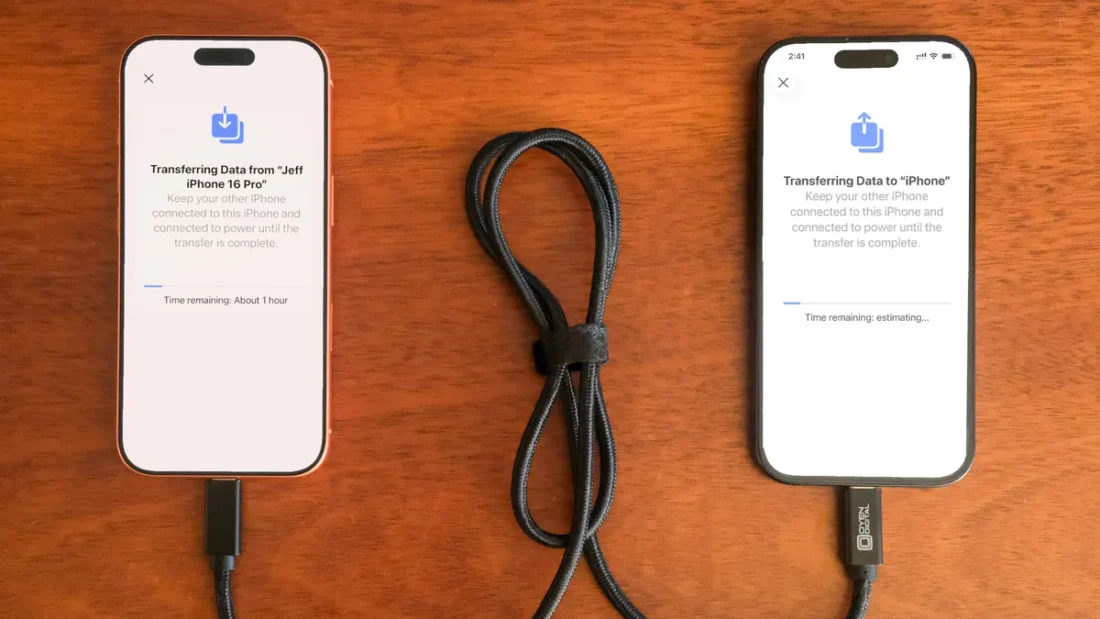
- Connect your old and new iPhones with a Lightning-to-USB-C or Lightning-to-Lightning cable.
- During setup, choose “Transfer from iPhone” and follow the prompts.
- Keep both devices connected until the transfer completes.
🚀 This method is faster than wireless and ideal for devices with lots of content.
Switching from Android? Use “Move to iOS” App
Steps:
- Download Move to iOS from Google Play Store on your Android phone.
- During iPhone setup, select “Move Data from Android”.
- Follow the on-screen prompts on both devices.
- Transfer contacts, messages, photos, calendars, and more.
💡 Tip: Disable iMessage on your Android before switching to avoid missing texts.
Final Tips for a Smooth Setup
- Make sure Bluetooth and Wi-Fi are enabled on both devices
- Keep devices plugged in to avoid battery loss during transfer
- Update your apps after the transfer completes
- Double-check that important data like health records or messages have fully synced
Related Posts You Might Like:
- How to Back Up Your iPhone to iCloud or Computer (2025 Guide)
- How to Free Up Storage Space on iPhone Without Deleting Apps
- Top iPhone Security Tips You Should Know in 2025
- How to Transfer WhatsApp Chats to New iPhone
Setting up a new iPhone doesn’t have to be stressful. Whether you’re using Quick Start, iCloud, or cable transfer, Apple provides multiple ways to help you transfer all your important data without a hitch.
Now that you know how to set up your new iPhone and transfer all your data easily, enjoy your upgraded device with everything intact!
See Also:
iCloud Backup: How to Back Up Your iPhone to iCloud or Computer
Australians must prove they are over 18 to access porn under new laws
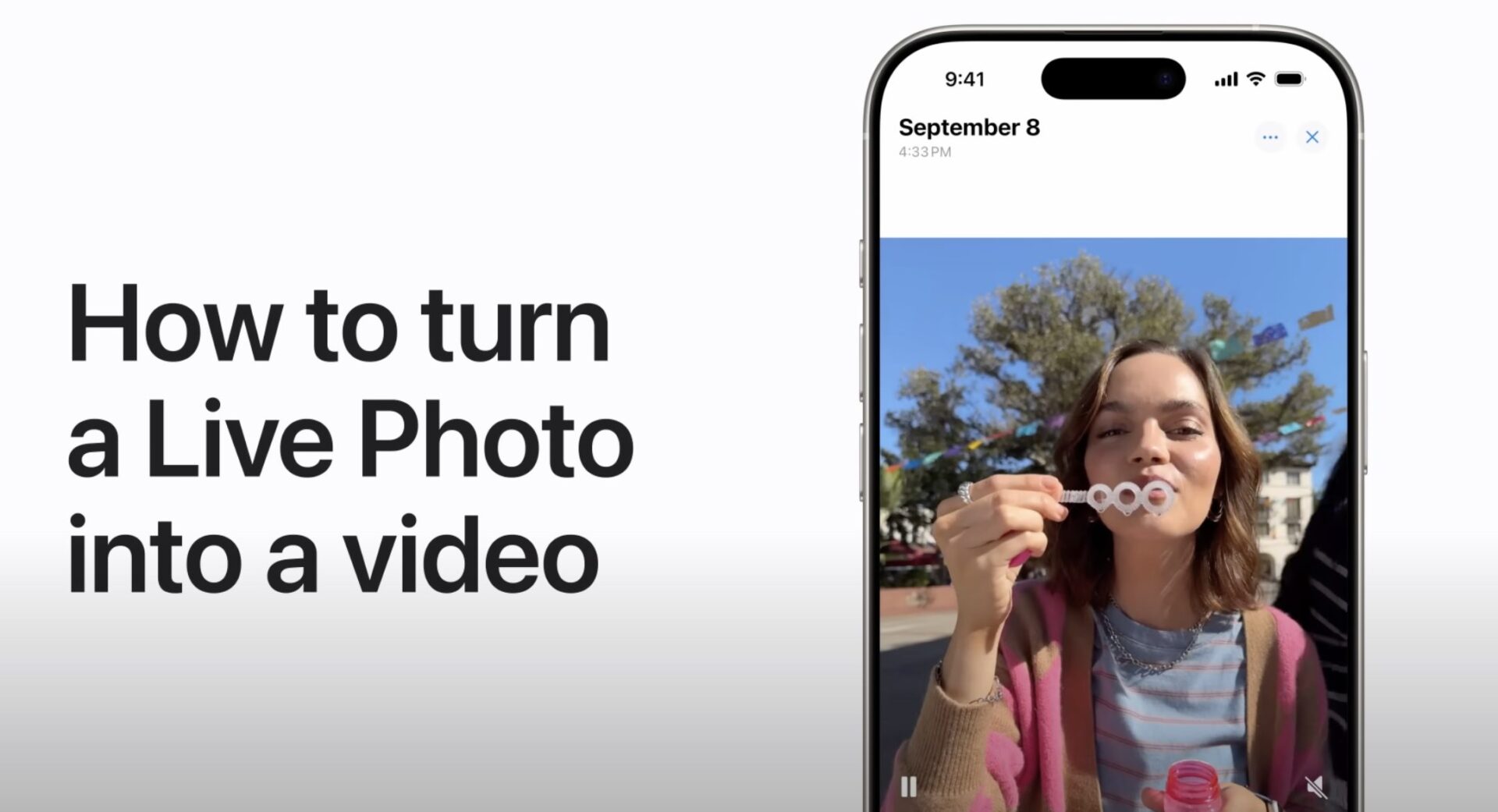
How to Save a Live Photos as a Video on iPhone and iPad (2025 Guide)
Live Photos are a fun and dynamic feature on iPhones and iPads that capture 1.5 seconds of motion before and after a picture is taken almost like a mini video. But what if you want to convert that Live Photo into a shareable video?
In this quick guide, we’ll show you how to save a Live Photo as a video on your iPhone or iPad using built-in features, without any third-party apps. Whether you’re creating content for social media or just preserving memories in motion, this tutorial will walk you through the process step-by-step.
What Is a Live Photo?
Before diving into the conversion process, here’s a quick refresher:
- Live Photos are Apple’s way of turning still images into short, animated moments.
- They’re captured using the iPhone or iPad Camera app when Live Photo mode is enabled.
- The format includes audio and movement, stored in the Photos app.
Why Convert Live Photos to Video?
There are many reasons you might want to convert a Live Photo into a video:
- To share on platforms like Instagram, WhatsApp, or TikTok that don’t support Live Photos
- To combine multiple Live Photos into one clip
- To edit using video editing tools
- To preserve a memory in a more universally accessible format
How to Save a Live Photo as a Video on iPhone or iPad
Requirements:
- iPhone or iPad running iOS 13 or later
- The Photos app (pre-installed on your device)
Method 1: Using the Photos App (Built-in Option)
- Open the Photos app on your iPhone or iPad.
- Tap on the Live Photo you want to convert.
- Tap the Share button (box with an arrow).
- Scroll down and select Save as Video.
- The new video will appear in your Recents and Videos albums.
Bonus Tip: Use Shortcuts App to Batch Convert Live Photos
For more control, especially if you want to convert multiple Live Photos, use the Shortcuts app:
- Open the Shortcuts app.
- Tap the Gallery tab and search for “Convert Live Photo to Video.”
- Add and run the shortcut to automate the process.
Final Thoughts
Converting a Live Photo to a video on iPhone or iPad is simple, fast, and useful for sharing your animated memories across various platforms. No third-party apps are needed — just your built-in Photos app or Shortcuts.
By following this guide, you can make the most of your iOS device and turn photos into dynamic, sharable content in seconds.
See Also:
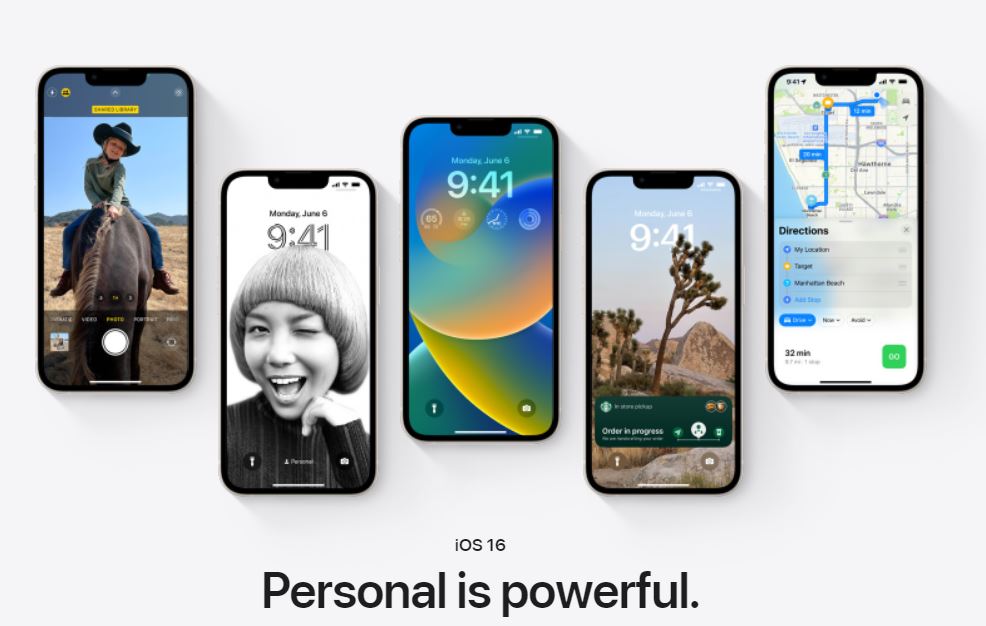
Apple’s Eligibility List: Devices That Qualify for the Latest iOS Update
AppleCare+ and AppleCare One – Eligible Devices (2025)
According to Apple, both AppleCare+ (for single-device coverage) and AppleCare One (multi-device subscription) support the following product lines:
- iPhone
- iPad
- Mac (MacBook, iMac, Mac mini, Mac Studio, Mac Pro)
- Apple Watch
- Apple Vision Pro headset
- Apple Display
- Apple TV
- HomePod
- Headphones (AirPods, Beats)
AppleCare One Updated Eligibility Rules
AppleCare One introduces two major changes for eligibility:
- Devices up to 4 years old (in good working condition and passing diagnostic tests) are now eligible
- Headphones must be within 1 year old for eligibility
- All devices must be associated with the same Apple ID (no family-sharing support currently)
Note: Traditional AppleCare+ must be purchased within 60 days of device purchase (30 days in some regions like Japan) Apple Support Community+1Lifewire+1
AppleCare One Eligibility Table
| Category | AppleCare One Eligibility |
|---|---|
| iPhone, iPad, Mac, Watch | Devices ≤ 4 years old, associated with same Apple ID, pass diagnostics |
| Apple Vision Pro, Apple TV, HomePod, Display | New or recently purchased devices (within standard window) |
| Headphones (AirPods, Beats) | Under 1 year old, and associated with your Apple ID |
See Also: AppleCare+ with Apple One: Step-by-Step Guide to Adding or Removing Devices (2025)
AppleCare+ with Apple One: Step-by-Step Guide to Adding or Removing Devices (2025)
AppleCare+ with Apple One: Offers premium support and protection for Apple devices, and now with Apple One Premier, you can manage multiple devices under one plan. Whether you want to add a new iPhone or remove an old MacBook, this guide will walk you through the steps.
What Is AppleCare+ with Apple One?
AppleCare+ with Apple One is a premium subscription that bundles AppleCare+ coverage for eligible devices under your Apple One Premier plan. As AppleCare+ offers premium support You get device protection, extended warranty, and 24/7 tech support all in one subscription.
SEO Keywords:
- AppleCare+ device management
- Add device to AppleCare One
- Remove Apple device from AppleCare plan
- Apple One Premier device coverage
How to Add a Device to AppleCare+ with Apple One
To add a new iPhone, iPad, Mac, or other eligible device:
Step-by-Step Instructions:
- Sign In to Your Apple ID
Go to appleid.apple.com and log in using the Apple ID linked to your Apple One Premier subscription. - Go to AppleCare+ Settings
Open the Settings app on your Apple device > Tap [Your Name] > Subscriptions > Select Apple One Premier. - Select “Manage Devices”
Under your AppleCare+ section, tap Manage Devices. - Add New Device
Tap Add Device, then follow the prompts to register the new device. It must:- Be signed into your Apple ID
- Be eligible for AppleCare+ (check Apple’s eligibility list)
- Confirm Coverage
After adding, your device will appear under your AppleCare+ list. Coverage activates immediately or upon confirmation.
See More Related Posts: Add or remove a device from your AppleCare One plan
How to Remove a Device from AppleCare+ with Apple One
If you’ve sold a device or replaced it, follow these steps to remove it:
🔹 Step-by-Step Instructions:
- Open Settings or Visit iCloud.com
On your iPhone or iPad, go to Settings > [Your Name] > Subscriptions > Apple One Premier. - Tap “Manage Devices”
This displays all devices currently covered under your AppleCare+ plan. - Select the Device to Remove
Tap on the device you want to remove and choose “Remove from Plan” or “Stop Coverage”. - Confirm Removal
You may need to confirm removal with your Apple ID password or Face ID.
📝 Note: Removing a device ends AppleCare+ protection for that device. You cannot re-add it once removed unless within 60 days of original purchase.
See More: Effective Fixes for Apple Logo Freeze Issue | Quick Solutions to Unfreeze Your iPhone
See More: New Apple-Corning Innovation Center & $2.5B Investment Boost Kentucky Jobs
Things to Keep in Mind
- Device Limits: Apple One Premier allows up to 10 devices to be covered.
- Apple ID Must Match: Devices must be linked to the same Apple ID used for the Apple One subscription.
- New Device? Make sure it’s eligible and still within the AppleCare+ enrollment window (usually 60 days after purchase).
Why It Matters
By managing devices properly under your AppleCare+ with Apple One plan, you:
- Save on separate insurance plans
- Keep all devices protected under one bill
- Easily track and manage your tech assets
SEO Best Practices Applied
- Target Keywords: “Add device to AppleCare+”, “Remove Apple device from plan”, “Apple One Premier device coverage”
- Meta Description Suggestion:
Learn how to add or remove devices from AppleCare+ with Apple One Premier. Step-by-step guide for managing AppleCare coverage in 2025. - Internal Links Suggestion:
- Link to a guide on [How to Check AppleCare Coverage]
- Link to [How to Cancel Apple One Subscription]

AI-Powered Smart Glasses Set to Change How We Use Technology
Ray‑Ban Meta Smart Glasses (Gen 2)
- Processor: Qualcomm Snapdragon AR1 Gen1
- Cameras: Dual 5 MP → Photos up to 2592×1944, 1080p video @30 fps.
- Audio/Mic: Open‑ear speakers, 5‑mic array with noise suppression.
- AI Assistant: Voice‑activated Meta AI (“Hey Meta”), real‑time translation & object recognition.
- Battery Life: ~4 hrs active use; charging case extends to ~36 hrs.
- Weight & Style: Lightweight (~< 50 g), numerous frame options; price ~US$299.
Oakley Meta HSTN
- Camera: 3K resolution (~3024×4032), improved over Ray‑Ban Gen 2.
- Battery Life: Up to ~8 hrs; livestreaming up to 48 mins, audio up to ~4 hrs.
- Connectivity: Bluetooth 5.3, same Meta AI features and live streaming support.
- Form Factor: Sporty Oakley design with prizm polarized lens; premium price ~$499.
Xiaomi AI Glasses (2025)
- Processor: Qualcomm Snapdragon AR1 Gen1
- Weight: ~40 g (excluding lenses), with IP54 splash/dust resistance.
- Camera: 12 MP Sony IMX681; supports 2K video @ 30 fps with EIS.
- Memory: 4 GB RAM, 32 GB onboard storage
- Battery Life: ~8.6 hrs typical use; ~7 hrs music playback; ~45 mins video recording.
- Audio/Input: Dual open‑ear stereo speakers; five‑mic array including bone‑conduction mic; tap/swipe and voice controls via XiaoAI assistant.
Brilliant Labs Frame AI Glasses
- Weight: ~39–40 g among the lightest on market
- Display: 640×400 micro‑OLED via prism offers ~20° FOV.
- Camera & Sensors: 1280×720 camera, mic, accelerometer, compass; Bluetooth 5.3.
- Battery: 222 mAh internal + “Mister Power” dock (~149 mAh), supporting ~6 hrs continuous or up to ~18 hrs normal use.
- AI Assistant: Noa multimodal AI front‑end integrating GPT‑4, Whisper, Perplexity, Stable Diffusion; open‑source design.
- Price: ~$349 (pre‑order price); ~$448 with prescription lenses.
Summary Table
| Model | Weight | Processor | Camera & Video | Battery Life | AI Features | Special |
|---|---|---|---|---|---|---|
| Ray‑Ban Meta (Gen 2) | < 50 g | Snapdragon AR1 Gen1 | Dual 5 MP (1080p video) | ~4 hrs + case | Meta AI, translation, object ID | Affordable, stylish |
| Oakley Meta HSTN | ~>50 g | Snapdragon AR1 Gen1 | 3K camera, higher res capture | ~8 hrs | Same as Ray‑Ban + livestream | Enhanced battery & camera |
| Xiaomi AI Glasses 2025 | ~40 g | Snapdragon AR1 Gen1 | 12 MP (2K video) | ~8.6 hrs typical | XiaoAI, translation, payments, object & food recognition | Electrochromic lenses |
| Brilliant Labs Frame | ~39 g | nRF52840 MCU + Noa AI | 720p camera, sensor-rich | ~6–18 hrs (w/ dock) | GPT-4, Whisper, Perplexity, open‑source |
See Also: AppleCare+ with Apple One: Step-by-Step Guide to Adding or Removing Devices (2025)