
Tech News
Get the latest techy news, product launches, software updates, AI developments, and digital trends from around the world.

Controlling the Connectivity Stack: G+D Reveals New Innovations at MWC
Controlling the Connectivity stack is at the core of modern mobile networks, enabling seamless communication, fast data transfer, and secure connections across the globe. At the Mobile World Congress (MWC), G+D showcased innovations that promise to redefine how telecom operators manage connectivity, improve efficiency, and enhance user experiences.
In a rapidly evolving telecom landscape, controlling the connectivity stack ensures operators stay ahead in network performance, security, and scalability. G+D innovations demonstrated practical applications of next-generation network technologies, ranging from advanced SIM management to embedded connectivity and digital security solutions.
Why Controlling the Connectivity Stack Matters
Mobile networks have grown increasingly complex, with multiple layers of hardware, software, and protocols interacting in real time. Today, mobile connectivity technology not only demands more than speed but also, consequently, requires precision, flexibility, and intelligent management. Controlling the connectivity stack allows operators to:
- Optimize network performance
- Reduce downtime and service interruptions
- Increase customer satisfaction
- Secure critical data and digital identities
At MWC, G+D highlighted strategies for maintaining control over every layer of connectivity, ensuring networks can handle growing demands from IoT devices, 5G deployments, and AI-driven applications.
Key G+D Innovations Highlighted at MWC
- Advanced SIM and eSIM Management
G+D presented solutions that allow telecom providers to manage millions of SIM and eSIM profiles efficiently, enabling remote activation, provisioning, and secure authentication. - Embedded Connectivity Solutions
Embedded connectivity in IoT devices was a major focus. By integrating secure connectivity directly into devices, businesses can deploy networks faster and reduce operational costs. - AI-Driven Network Optimization
G+D introduced AI-powered tools to monitor traffic, predict failures, and optimize the connectivity stack dynamically, improving network performance and user experience. - Next-Generation Security Protocols
Security remains a top priority. Innovations in encryption, identity verification, and fraud prevention were showcased to protect networks from emerging threats. - Global Interoperability and Scalability
Furthermore, G+D emphasized tools that allow telecom providers to scale services globally while simultaneously maintaining high performance and interoperability across devices and regions.
Impact on the Future of Mobile Networks
The future of mobile networks depends on the connectivity stack being flexible, intelligent, and secure. G+D innovations at MWC demonstrated how operators can meet increasing demands from 5G, IoT, and AI-powered applications.
By controlling every layer of the connectivity stack, companies can improve service reliability, reduce latency, and ensure data integrity, ultimately delivering a superior experience to end users. The technologies presented at MWC will likely influence network architecture and digital strategies for years to come.
At Mobile World Congress, G+D reaffirmed its position as a leader in mobile connectivity technology. By controlling the connectivity stack, operators can optimize performance, enhance security, and adapt to the rapidly evolving digital ecosystem. The insights shared at MWC demonstrate that intelligent network management, innovative security solutions, and scalable infrastructure are the pillars of the future mobile landscape.
For telecom operators, businesses, and technology enthusiasts, these developments indicate that, as a result, the future of connectivity will be smarter, faster, and more secure than ever.
See Alao: Technology Trends 2026 That Will Shape the Future
See Also: Exclusive: Trump reviews options to curb energy prices as Iran strikes roil markets
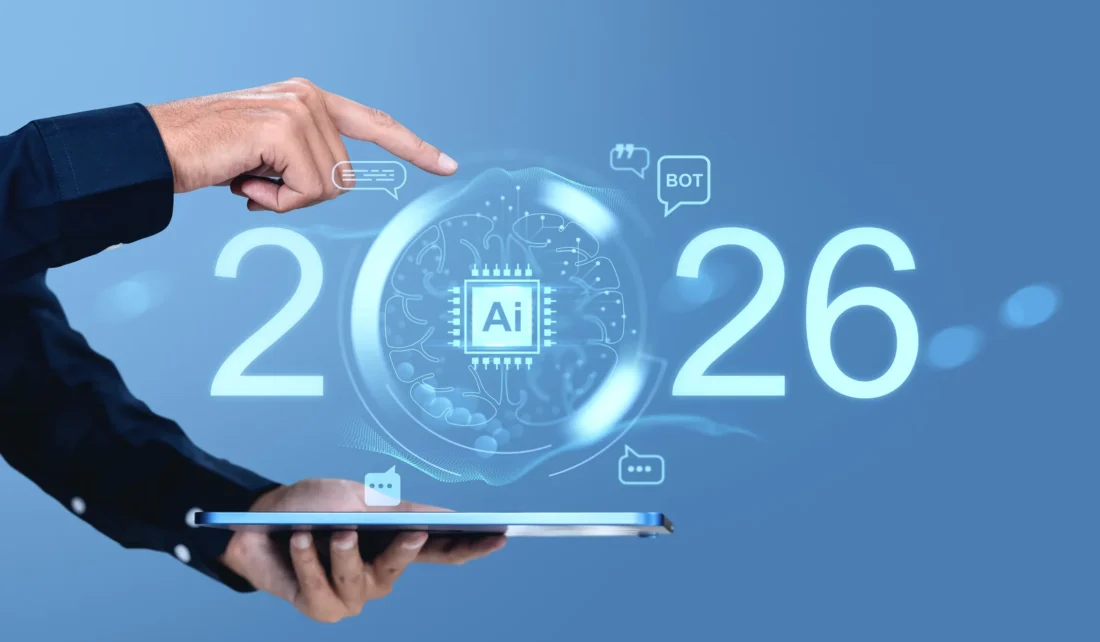
Technology Trends 2026 That Will Shape the Future
Self-driving vehicles, humanoid robots, AIs trained in space, and the possible successor to the smartphone all in the Technology trends 2026.
As the emergence of ChatGPT in late 2022, a strong sense of rapid technological acceleration has been experienced worldwide. However, major technological revolutions are rarely completed overnight. Instead, technological transformations are usually built gradually as new infrastructure is developed and social adoption increases for the Technology trends 2026.
According to Esteve Almirall, a professor at Esade and innovation expert, the coming years will mark a turning point. In an article published in La Vanguardia, it was explained that technological shifts require time because new infrastructure must be constructed before mass adoption occurs. In the past, global internet networks were built to support digital growth. Today, massive AI infrastructure and advanced data centers are being constructed to support artificial intelligence systems.
It has been predicted that 2026 will become a milestone year for technology trends, as artificial intelligence adoption will be expanded and digital transformation will accelerate across industries.
Below are the 12 technology trends 2026 that are expected to shape the global agenda.
1. Artificial Intelligence Will Continue to Expand
Artificial intelligence development can no longer be slowed. AI models are being improved rapidly, and major investments are being made by companies and governments worldwide in technology trends 2026.
The question is no longer whether AI will outperform humans in certain tasks. Instead, the global economy will be reorganized around this new reality. As a result, AI transformation will increasingly be treated as both an economic opportunity and a geopolitical competition.
2. AI Agents Will Become More Common
A major shift will be introduced through AI agents. Unlike traditional AI systems that only respond to instructions, intelligent agents will be designed to act independently.
Through language models and automated reasoning, tasks such as purchasing goods, planning travel, negotiating deals, and managing business operations will be handled automatically. By 2026, these systems are expected to be integrated gradually into everyday digital experiences.
3. Autonomous Mobility Will Reshape Cities
In many major cities in the United States and China, autonomous vehicles are already being deployed. Driverless taxis and delivery vehicles are being tested and expanded in urban areas.
As this technology continues to mature, fewer privately owned cars will be required. Consequently, urban design may be reshaped, congestion could be reduced, and transportation networks will be optimized.
4. Logistics Will Be Transformed in Technology trends 2026
A new era of logistics efficiency will be created through autonomous trucks and advanced battery technologies.
Lower transportation costs are expected to be achieved through sodium battery systems, which are cheaper and longer-lasting than traditional lithium batteries. As supply chains become shorter and more efficient, industries will gain stronger competitive advantages.
5. Humanoid Robots Will Enter the Workforce
The arrival of humanoid robots is expected to accelerate. These machines are already being developed to assist in factories, hospitals, and logistics centers.
According to predictions made by Lei Jun, CEO of Xiaomi, many roles currently performed by humans may eventually be supported or replaced by robots. Large-scale adoption is expected to begin gradually in the coming years.
6. Language Barriers Will Be Reduced
Real-time translation technology is being developed by major companies such as Apple and Google. Through smart headphones and AI-powered systems, conversations between people speaking different languages will be translated instantly.
Although language skills will still be valued, the barrier created by language differences will be significantly reduced.
7. Organizations Will Be Rebuilt Around AI
Businesses are expected to undergo significant structural transformation. Smaller teams may be supported by powerful digital systems, including AI agents, robotics, and automation tools.
In these hybrid workplaces, human workers will coordinate intelligent systems, while decision-making processes will increasingly be supported by data-driven platforms.
8. Artificial Intelligence Will Move Into Space
Space may become a new location for advanced computing. Due to favorable thermal and energy conditions, data centers in orbit could be established.
A recent collaboration between Nvidia and StarCloud has already demonstrated the possibility of training AI models in space. If launch costs continue to decline, space computing infrastructure could expand rapidly.
9. Telecommunications Will Expand Globally
Global communication networks are expected to be transformed. Mobile phones are already being connected directly to satellites through systems such as Starlink.
In addition, 10G network technology is currently being tested in China. These developments may significantly disrupt traditional telecommunications companies.
10. AI Scientists and Engineers Will Emerge
Artificial intelligence systems capable of conducting research independently are being developed. Through autonomous experimentation and analysis, scientific discovery could be accelerated.
This means that innovation capacity will no longer depend only on human expertise. Instead, AI-driven research systems will multiply scientific productivity.
11. The Successor to the Smartphone Is Being Explored
For years, companies have attempted to develop devices capable of replacing smartphones. Technologies such as virtual reality headsets and smartwatches have been introduced, but none has fully replaced the smartphone.
However, new attempts are now being made. OpenAI has recruited Jony Ive, the designer behind the iPhone and iPod, to explore the next generation of computing devices.
12. Hyperloop Development Will Continue in China
While several countries have abandoned the Hyperloop concept, China continues to invest in the technology.
High-speed transport systems capable of reaching speeds above 1,000 km/h are currently being researched. If successful, this transportation system could reshape regional economies and dramatically reduce travel time between major cities.
The technology trends 2026 highlight how rapidly innovation is advancing. Artificial intelligence, robotics, autonomous transportation, and advanced communication networks are being developed simultaneously.
As these technologies mature, industries will be transformed, new economic opportunities will emerge, and everyday life will be reshaped. Although these changes will not occur instantly, the foundation for the next technological era is already being built.
See Also:
US: Trump Warns Microsoft, Google, Other Tech Giants to “Stop Hiring In India”

Social Media Access Limited in Indonesia for Under-16 Users
The Indonesian government plans to block social media access for users under 16 years old. This decision targets popular platforms, including social media apps and other online services, aiming to protect children from online risks.
Authorities argue that teenagers face exposure to inappropriate content, cyberbullying, and digital addiction. By restricting social media access, Indonesia hopes to create a safer online environment for minors and encourage healthier digital habits.
Why Indonesia Enforces Social Media Restrictions
Social media platforms expose teens to numerous challenges:
- Exposure to harmful or explicit content
- Risk of cyberbullying and harassment
- Excessive screen time affecting mental health
- Influence from misinformation or fake news
Blocking social media access for teens ensures parents and guardians can better control online experiences while platforms implement stricter age verification measures.
Impact on Teens and Families
The policy may reshape how teenagers engage online. Many teens will need parental guidance to use platforms legally, while families gain tools to supervise online activity.
Experts believe this measure could reduce online risks, increase safety, and encourage educational or offline activities.
Platform Response and Compliance
Social media companies operating in Indonesia must now verify user ages. Platforms risk penalties if they allow underage users to bypass the restriction.
This move sets a precedent for other countries considering similar measures to protect minors in the digital space.
Indonesia’s plan to block social media access for teens under 16 highlights the growing focus on child safety online. Parents, educators, and platforms must work together to ensure safe, age-appropriate internet usage.
Related Posts:
AI-Iran War Videos Go Viral as Creators Cash In on New Tech

AI-Iran War Videos Go Viral as Creators Cash In on New Tech
The rise of AI-generated Iran war videos has created a new challenge for social media platforms and online audiences. Content creators now use advanced artificial intelligence tools to produce realistic war footage within minutes. These clips spread quickly across social media and often attract millions of views.
Many creators upload AI-generated Iran war videos to gain engagement, increase followers, and earn money through platform monetization programs. The trend highlights how artificial intelligence now shapes the way people consume news about global conflicts.
The Rapid Rise of AI-Generated Iran War Videos
Recent reports reveal that AI-generated Iran war videos have surged online as tensions in the Middle East increase. Digital investigators have discovered numerous fake videos showing missile strikes, explosions, and battlefield scenes that never happened.
Modern AI tools allow creators to produce highly convincing war footage in minutes. In the past, producing such realistic content required professional video production teams. Today, generative AI models and video diffusion tools make it easy for anyone to create dramatic combat scenes.
Because these videos appear realistic, many viewers struggle to tell the difference between authentic footage and synthetic media.
Why Creators Produce Ai War Videos
Many online creators produce AI-generated Iran war videos primarily to attract attention and generate revenue. Social media algorithms reward content that receives high engagement, including likes, shares, and comments.
When a video about war goes viral, creators can earn money through advertising programs and creator revenue-sharing systems. Some individuals even operate networks of fake accounts to distribute large volumes of AI-generated content.
Investigations recently revealed that dozens of social media accounts circulated AI war footage to gain views and manipulate public conversations online.
Social Media Platforms Respond to AI War Content
Social media companies have started to react to the growing flood of AI-generated Iran war videos.
One major platform introduced new rules that require creators to clearly label AI-generated war footage. Creators who fail to disclose that their content uses AI risk losing access to monetization programs.
The new policy aims to protect the authenticity of information during wartime and prevent creators from exploiting fake war footage for profit.
Platforms also plan to deploy AI detection systems and human moderators to identify manipulated videos and reduce misinformation.
The Danger of AI-Generated War Footage
The spread of Ai Iran war videos creates serious risks for public understanding of global events.
Fake footage can:
- Mislead millions of viewers
- Spread propaganda during conflicts
- Damage trust in real journalism
- Make it harder to verify authentic war evidence
Experts warn that synthetic media can easily distort narratives and influence public opinion during times of geopolitical tension.
As artificial intelligence becomes more powerful, distinguishing between authentic and fabricated content will become even more difficult.
How Viewers Can Recognize AI-Generated War Videos
To avoid falling for Ai war videos, viewers should always verify the source of the content.
Follow these simple steps:
- Check whether the video comes from a trusted news organization.
- Look for AI disclosure labels on social media platforms.
- Search for the same footage on verified news websites.
- Examine unusual visual details such as inconsistent shadows or unrealistic explosions.
Critical thinking remains one of the most effective defenses against AI-generated misinformation.
The Future of AI-Generated War Content
The explosion of Ai Iran war videos shows how artificial intelligence now influences modern information warfare. While AI technology offers powerful creative tools, it also introduces new risks for misinformation and digital manipulation.
Governments, technology companies, and journalists will need stronger tools and policies to combat fake AI media. Without proper safeguards, AI-generated content could reshape the way wars and global crises appear online.
For now, viewers must stay cautious and verify every viral video before believing it.
Related Posts:
Iran selects new supreme leader as Middle East war enters second week
Iran warns war is entering “new phase,” threatens retaliation on energy infrastructure
How to Set Up Your New iPhone and Transfer All Your Data Easily

How to Save a Live Photos as a Video on iPhone and iPad (2025 Guide)
Live Photos are a fun and dynamic feature on iPhones and iPads that capture 1.5 seconds of motion before and after a picture is taken almost like a mini video. But what if you want to convert that Live Photo into a shareable video?
In this quick guide, we’ll show you how to save a Live Photo as a video on your iPhone or iPad using built-in features, without any third-party apps. Whether you’re creating content for social media or just preserving memories in motion, this tutorial will walk you through the process step-by-step.
What Is a Live Photo?
Before diving into the conversion process, here’s a quick refresher:
- Live Photos are Apple’s way of turning still images into short, animated moments.
- They’re captured using the iPhone or iPad Camera app when Live Photo mode is enabled.
- The format includes audio and movement, stored in the Photos app.
Why Convert Live Photos to Video?
There are many reasons you might want to convert a Live Photo into a video:
- To share on platforms like Instagram, WhatsApp, or TikTok that don’t support Live Photos
- To combine multiple Live Photos into one clip
- To edit using video editing tools
- To preserve a memory in a more universally accessible format
How to Save a Live Photo as a Video on iPhone or iPad
Requirements:
- iPhone or iPad running iOS 13 or later
- The Photos app (pre-installed on your device)
Method 1: Using the Photos App (Built-in Option)
- Open the Photos app on your iPhone or iPad.
- Tap on the Live Photo you want to convert.
- Tap the Share button (box with an arrow).
- Scroll down and select Save as Video.
- The new video will appear in your Recents and Videos albums.
Bonus Tip: Use Shortcuts App to Batch Convert Live Photos
For more control, especially if you want to convert multiple Live Photos, use the Shortcuts app:
- Open the Shortcuts app.
- Tap the Gallery tab and search for “Convert Live Photo to Video.”
- Add and run the shortcut to automate the process.
Final Thoughts
Converting a Live Photo to a video on iPhone or iPad is simple, fast, and useful for sharing your animated memories across various platforms. No third-party apps are needed — just your built-in Photos app or Shortcuts.
By following this guide, you can make the most of your iOS device and turn photos into dynamic, sharable content in seconds.
See Also:
US: Trump Warns Microsoft, Google, Other Tech Giants to “Stop Hiring In India”

In a bold new statement that’s making global headlines, former U.S. President Donald Trump has issued a warning to top tech companies including Microsoft, Google, and Meta urging them to “stop hiring in India” and prioritize American workers. The remarks come as part of his renewed push for economic nationalism in his 2024 campaign trail, aiming to win back support from tech workers and the domestic job market.
What Did Trump Say?
During a recent campaign rally, Trump criticized big tech firms for “offshoring high-paying tech jobs to India” while laying off thousands in the U.S. He directly called out:
- Microsoft for expanding cloud and AI centers in Hyderabad
- Google for its growing engineering hubs in Bangalore and Pune
- Meta and Amazon for continued outsourcing of software development and customer service roles
Trump warned that if re-elected, he would introduce penalties and incentives to discourage overseas hiring and reward U.S.-based recruitment.
“These companies are getting rich while abandoning the American worker. It has to stop.” Donald J. Trump
Why This Matters
Tech giants have long relied on India’s vast talent pool and cost-effective workforce. However, Trump’s comments may signal a policy shift that could impact:
- H-1B visa regulations
- Global IT outsourcing trends
- India–US tech relations
- Domestic hiring incentives
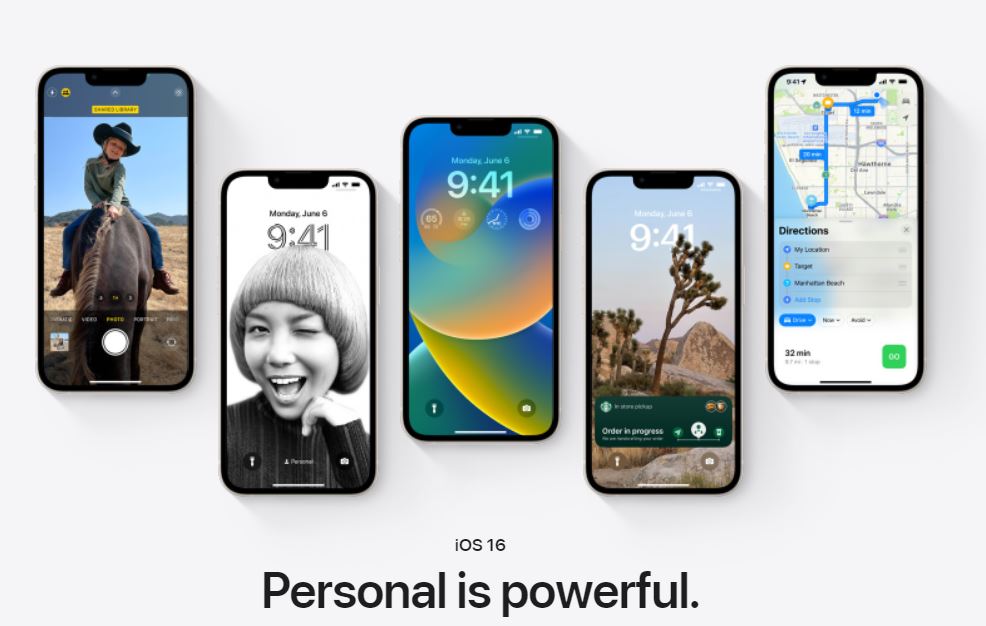
Apple’s Eligibility List: Devices That Qualify for the Latest iOS Update
AppleCare+ and AppleCare One – Eligible Devices (2025)
According to Apple, both AppleCare+ (for single-device coverage) and AppleCare One (multi-device subscription) support the following product lines:
- iPhone
- iPad
- Mac (MacBook, iMac, Mac mini, Mac Studio, Mac Pro)
- Apple Watch
- Apple Vision Pro headset
- Apple Display
- Apple TV
- HomePod
- Headphones (AirPods, Beats)
AppleCare One Updated Eligibility Rules
AppleCare One introduces two major changes for eligibility:
- Devices up to 4 years old (in good working condition and passing diagnostic tests) are now eligible
- Headphones must be within 1 year old for eligibility
- All devices must be associated with the same Apple ID (no family-sharing support currently)
Note: Traditional AppleCare+ must be purchased within 60 days of device purchase (30 days in some regions like Japan) Apple Support Community+1Lifewire+1
AppleCare One Eligibility Table
| Category | AppleCare One Eligibility |
|---|---|
| iPhone, iPad, Mac, Watch | Devices ≤ 4 years old, associated with same Apple ID, pass diagnostics |
| Apple Vision Pro, Apple TV, HomePod, Display | New or recently purchased devices (within standard window) |
| Headphones (AirPods, Beats) | Under 1 year old, and associated with your Apple ID |
See Also: AppleCare+ with Apple One: Step-by-Step Guide to Adding or Removing Devices (2025)
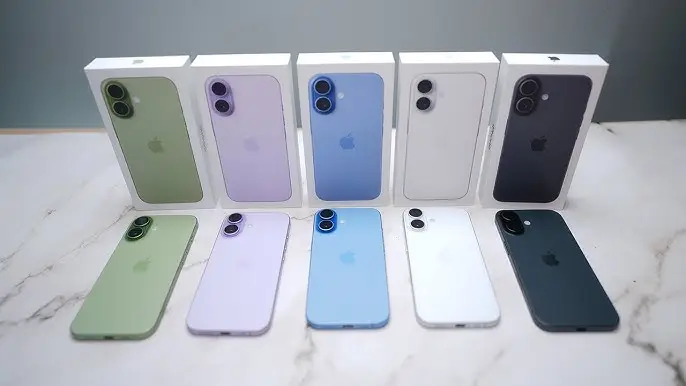
AppleCare+ with Apple One: Step-by-Step Guide to Adding or Removing Devices (2025)
AppleCare+ with Apple One: Offers premium support and protection for Apple devices, and now with Apple One Premier, you can manage multiple devices under one plan. Whether you want to add a new iPhone or remove an old MacBook, this guide will walk you through the steps.
What Is AppleCare+ with Apple One?
AppleCare+ with Apple One is a premium subscription that bundles AppleCare+ coverage for eligible devices under your Apple One Premier plan. As AppleCare+ offers premium support You get device protection, extended warranty, and 24/7 tech support all in one subscription.
SEO Keywords:
- AppleCare+ device management
- Add device to AppleCare One
- Remove Apple device from AppleCare plan
- Apple One Premier device coverage
How to Add a Device to AppleCare+ with Apple One
To add a new iPhone, iPad, Mac, or other eligible device:
Step-by-Step Instructions:
- Sign In to Your Apple ID
Go to appleid.apple.com and log in using the Apple ID linked to your Apple One Premier subscription. - Go to AppleCare+ Settings
Open the Settings app on your Apple device > Tap [Your Name] > Subscriptions > Select Apple One Premier. - Select “Manage Devices”
Under your AppleCare+ section, tap Manage Devices. - Add New Device
Tap Add Device, then follow the prompts to register the new device. It must:- Be signed into your Apple ID
- Be eligible for AppleCare+ (check Apple’s eligibility list)
- Confirm Coverage
After adding, your device will appear under your AppleCare+ list. Coverage activates immediately or upon confirmation.
See More Related Posts: Add or remove a device from your AppleCare One plan
How to Remove a Device from AppleCare+ with Apple One
If you’ve sold a device or replaced it, follow these steps to remove it:
🔹 Step-by-Step Instructions:
- Open Settings or Visit iCloud.com
On your iPhone or iPad, go to Settings > [Your Name] > Subscriptions > Apple One Premier. - Tap “Manage Devices”
This displays all devices currently covered under your AppleCare+ plan. - Select the Device to Remove
Tap on the device you want to remove and choose “Remove from Plan” or “Stop Coverage”. - Confirm Removal
You may need to confirm removal with your Apple ID password or Face ID.
📝 Note: Removing a device ends AppleCare+ protection for that device. You cannot re-add it once removed unless within 60 days of original purchase.
See More: Effective Fixes for Apple Logo Freeze Issue | Quick Solutions to Unfreeze Your iPhone
See More: New Apple-Corning Innovation Center & $2.5B Investment Boost Kentucky Jobs
Things to Keep in Mind
- Device Limits: Apple One Premier allows up to 10 devices to be covered.
- Apple ID Must Match: Devices must be linked to the same Apple ID used for the Apple One subscription.
- New Device? Make sure it’s eligible and still within the AppleCare+ enrollment window (usually 60 days after purchase).
Why It Matters
By managing devices properly under your AppleCare+ with Apple One plan, you:
- Save on separate insurance plans
- Keep all devices protected under one bill
- Easily track and manage your tech assets
SEO Best Practices Applied
- Target Keywords: “Add device to AppleCare+”, “Remove Apple device from plan”, “Apple One Premier device coverage”
- Meta Description Suggestion:
Learn how to add or remove devices from AppleCare+ with Apple One Premier. Step-by-step guide for managing AppleCare coverage in 2025. - Internal Links Suggestion:
- Link to a guide on [How to Check AppleCare Coverage]
- Link to [How to Cancel Apple One Subscription]

AI-Powered Smart Glasses Set to Change How We Use Technology
Ray‑Ban Meta Smart Glasses (Gen 2)
- Processor: Qualcomm Snapdragon AR1 Gen1
- Cameras: Dual 5 MP → Photos up to 2592×1944, 1080p video @30 fps.
- Audio/Mic: Open‑ear speakers, 5‑mic array with noise suppression.
- AI Assistant: Voice‑activated Meta AI (“Hey Meta”), real‑time translation & object recognition.
- Battery Life: ~4 hrs active use; charging case extends to ~36 hrs.
- Weight & Style: Lightweight (~< 50 g), numerous frame options; price ~US$299.
Oakley Meta HSTN
- Camera: 3K resolution (~3024×4032), improved over Ray‑Ban Gen 2.
- Battery Life: Up to ~8 hrs; livestreaming up to 48 mins, audio up to ~4 hrs.
- Connectivity: Bluetooth 5.3, same Meta AI features and live streaming support.
- Form Factor: Sporty Oakley design with prizm polarized lens; premium price ~$499.
Xiaomi AI Glasses (2025)
- Processor: Qualcomm Snapdragon AR1 Gen1
- Weight: ~40 g (excluding lenses), with IP54 splash/dust resistance.
- Camera: 12 MP Sony IMX681; supports 2K video @ 30 fps with EIS.
- Memory: 4 GB RAM, 32 GB onboard storage
- Battery Life: ~8.6 hrs typical use; ~7 hrs music playback; ~45 mins video recording.
- Audio/Input: Dual open‑ear stereo speakers; five‑mic array including bone‑conduction mic; tap/swipe and voice controls via XiaoAI assistant.
Brilliant Labs Frame AI Glasses
- Weight: ~39–40 g among the lightest on market
- Display: 640×400 micro‑OLED via prism offers ~20° FOV.
- Camera & Sensors: 1280×720 camera, mic, accelerometer, compass; Bluetooth 5.3.
- Battery: 222 mAh internal + “Mister Power” dock (~149 mAh), supporting ~6 hrs continuous or up to ~18 hrs normal use.
- AI Assistant: Noa multimodal AI front‑end integrating GPT‑4, Whisper, Perplexity, Stable Diffusion; open‑source design.
- Price: ~$349 (pre‑order price); ~$448 with prescription lenses.
Summary Table
| Model | Weight | Processor | Camera & Video | Battery Life | AI Features | Special |
|---|---|---|---|---|---|---|
| Ray‑Ban Meta (Gen 2) | < 50 g | Snapdragon AR1 Gen1 | Dual 5 MP (1080p video) | ~4 hrs + case | Meta AI, translation, object ID | Affordable, stylish |
| Oakley Meta HSTN | ~>50 g | Snapdragon AR1 Gen1 | 3K camera, higher res capture | ~8 hrs | Same as Ray‑Ban + livestream | Enhanced battery & camera |
| Xiaomi AI Glasses 2025 | ~40 g | Snapdragon AR1 Gen1 | 12 MP (2K video) | ~8.6 hrs typical | XiaoAI, translation, payments, object & food recognition | Electrochromic lenses |
| Brilliant Labs Frame | ~39 g | nRF52840 MCU + Noa AI | 720p camera, sensor-rich | ~6–18 hrs (w/ dock) | GPT-4, Whisper, Perplexity, open‑source |
See Also: AppleCare+ with Apple One: Step-by-Step Guide to Adding or Removing Devices (2025)