In a significant move for the European tech landscape, French business software firm LumApps has merged with Swiss counterpart Beekeeper, creating a new unicorn valued at approximately $1.1 billion.
The deal, announced Wednesday, is set to close later this month. It is backed by British private equity group Bridgepoint (BPTB.L), which was already a major investor in LumApps and will retain a majority stake in the newly formed company.
“Midterm, an IPO or a trade sale are options,” said Cristian Grossmann, CEO of Beekeeper. “With the U.S. and Europe being our core markets, both would be great IPO venue candidates.”
The merged entity will be headquartered in Lyon, France—home to LumApps—with LumApps CEO Sebastien Ricard taking the reins of the combined business. Together, the companies will employ around 600 people globally.
A Rare European Unicorn
The term unicorn refers to private startups valued at $1 billion or more—a status still relatively rare in Europe’s tech ecosystem. The union of LumApps and Beekeeper marks a milestone not only for the firms involved but for the broader European enterprise software sector.
LumApps specializes in software designed to power company intranets, aiming to modernize or even replace traditional tools like Microsoft’s SharePoint. Its platform is used by major global companies such as Airbus and LVMH.
“We are trying to augment or even replace products like Microsoft’s SharePoint,” said Elie Melois, Chief Technology Officer at LumApps.
Beekeeper, meanwhile, is known for its mobile-first platform that connects frontline workers with management and internal systems—offering a complementary value to LumApps’ more desktop-centric solutions.
Strategic Synergy and Global Ambitions
The merger brings together two complementary technologies and customer bases, positioning the new firm to scale rapidly across key markets in North America and Europe. Backing from Bridgepoint provides the financial firepower and strategic support needed for international growth and potential IPO ambitions in the near future.
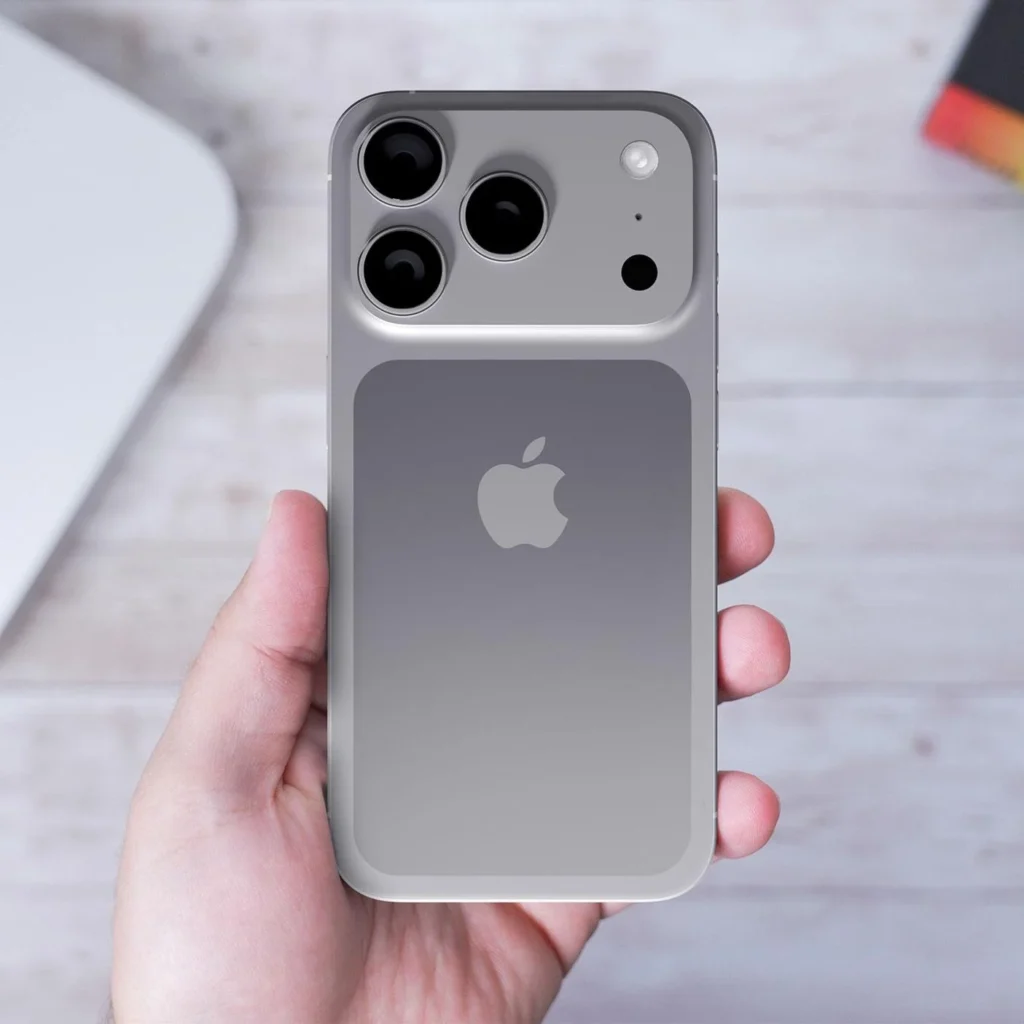
The iPhone 17 Pro models are reportedly getting an expanded camera bar, which could significantly change the device’s appearance.(kanedacane tweets/X)
iPhone 17 Pro Max Leaks Reveal Apple’s Shift to Battery-First Design The iPhone 17 Pro Max is expected to undergo significant changes, prioritizing battery life over sleek design. Here are the key takeaways¹:
Increased Thickness: The iPhone 17 Pro Max will reportedly feature a body thickness of 8.725mm, up from 8.25mm on the iPhone 16 Pro Max, to accommodate a larger battery.
Improved Battery Life: This design change is expected to result in better battery endurance, potentially giving the iPhone 17 Pro Max the best battery performance in iPhone history.
No Major Camera Upgrades: Unlike previous years, the Pro Max model won’t have significant camera upgrades exclusive to it, with power and practicality being the primary selling points.
Design Philosophy Shift: Apple seems to be rethinking its design approach, valuing usability and battery life over elegance and uniformity.
Potential Impact: This shift could signal a new era for flagship smartphones, where “flagship” means fully powered, not just ultra-thin.
This change in design philosophy could redefine what users expect from a flagship smartphone, prioritizing functionality and usability over aesthetics.
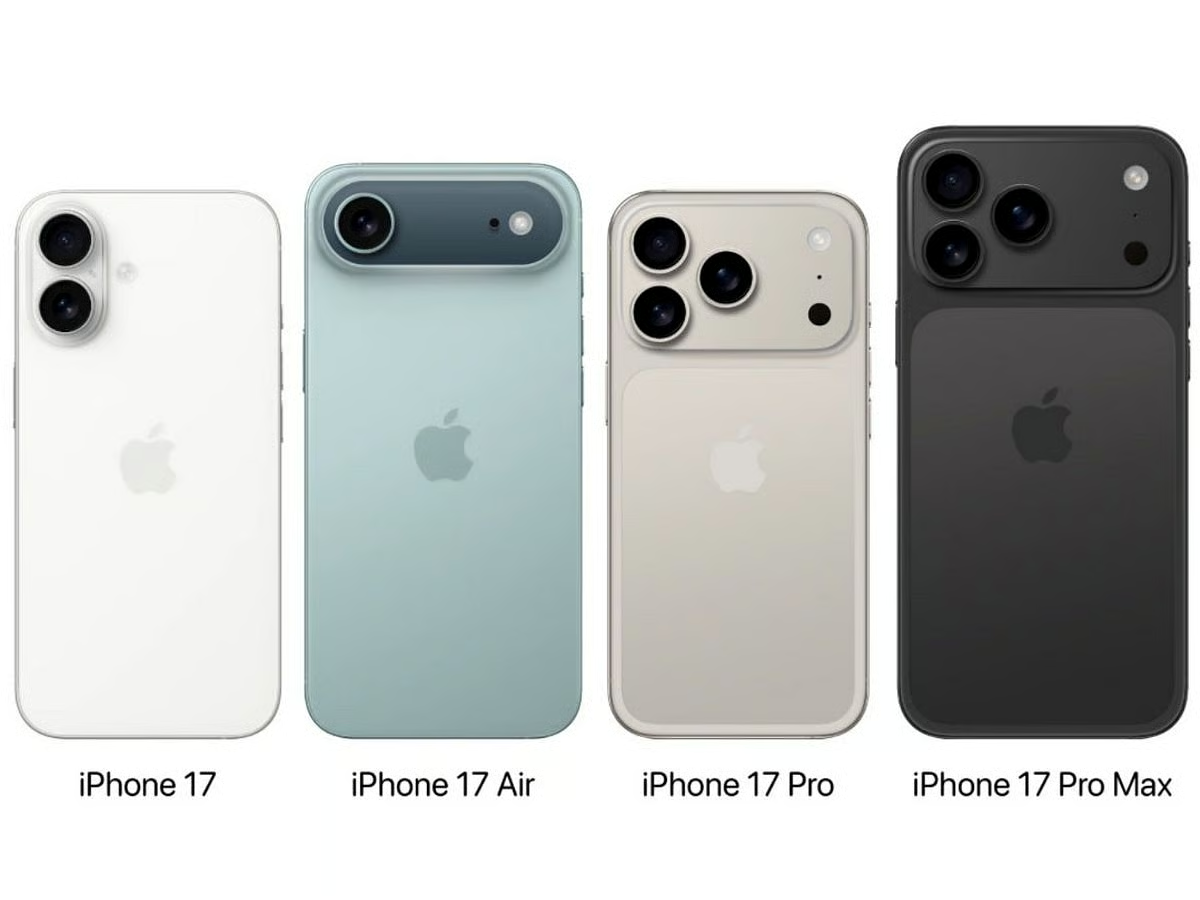
Apple iPhone 17 Series: What to Expect Before September Launch The Apple iPhone 17 series is just around the corner, and excitement is building up among tech enthusiasts. The series will include four models: iPhone 17, iPhone 17 Air, iPhone 17 Pro, and iPhone 17 Pro Max. Let’s dive into what we know so far about these upcoming devices.
Design and Display
iPhone 17 Air: Touted as the slimmest iPhone ever, with a thickness of around 5.5mm to 6mm. It will feature an ultra-thin aluminum frame with flat edges and a 6.6-inch display with 120Hz refresh rate.
iPhone 17: Expected to have a similar design to its predecessor with a pill-shaped sensor and a 6.3-inch ProMotion display.
iPhone 17 Pro and Pro Max: Thicker chassis to accommodate larger batteries, with the Pro Max potentially featuring a 5x optical zoom and 8K video capabilities.
Cameras
iPhone 17 Air: Single 48MP rear camera and 24MP front camera.
iPhone 17: Dual 48MP rear cameras and 24MP front camera.
iPhone 17 Pro and Pro Max: Triple 48MP camera setup, including ultra-wide, wide, and telephoto lenses.
Specifications and Performance
A19 Chip: Expected to power the iPhone 17 series, with the A19 Pro chip potentially powering the Pro models.
Fast Charging: Up to 25W fast charging capability.
Apple Intelligence Features: Integration of AI features to enhance user experience.
Pricing – iPhone 17: Starting price around ₹79,900 ($799).
iPhone 17 Air: Expected price around ₹89,900 ($899).
A US federal judge has rejected Apple’s bid to dismiss a lawsuit filed by the US Department of Justice (DOJ), accusing the tech giant of unlawfully dominating the US smartphone market. Here’s a breakdown¹ ²:
Allegations: The DOJ alleges Apple uses restrictions on third-party app and device developers to prevent users from switching to competitors, thereby unlawfully dominating the market.
Judge’s Decision: US District Judge Julien Neals denied Apple’s motion to dismiss the lawsuit, allowing the case to proceed.
Potential Consequences: The decision could lead to a years-long fight for Apple against enforcers’ attempts to lower barriers to competition with Apple’s iPhone.
Apple’s Response: An Apple spokesperson stated the company believes the lawsuit is wrong on the facts and law and will continue to vigorously fight it in court.
DOJ’s Stance: The DOJ, along with several states and Washington, D.C., argues Apple’s practices destroy competition and should be blocked from continuing them.
This case is part of a series of US antitrust cases against Big Tech companies, and its outcome could have significant implications for the industry.
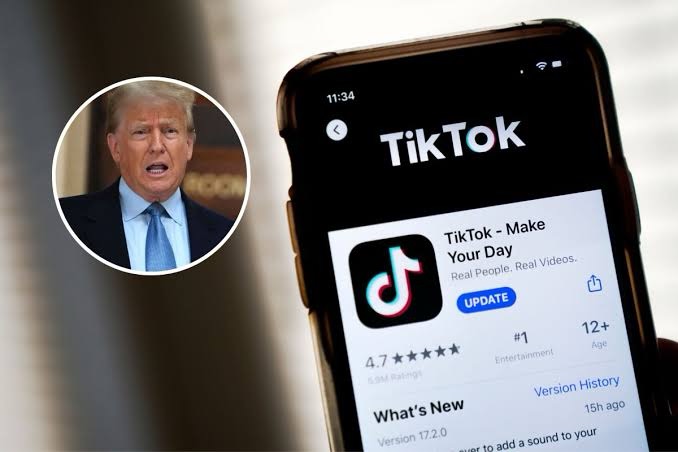
In a surprising but strategically timed move, former President Donald Trump announced during an interview with Fox News that he is assembling a group of wealthy investors to purchase TikTok, the popular social media platform currently owned by the Chinese tech giant ByteDance.
The announcement comes amid renewed pressure from U.S. lawmakers and regulators concerned about national security and data privacy. TikTok, which has over 150 million users in the United States, has long been under scrutiny due to its Chinese ownership and potential links to the Chinese government. In 2020, during his presidency, Trump signed an executive order attempting to ban the app unless it was sold to a U.S. entity—an effort that ultimately stalled in the courts and under the Biden administration.
Now, Trump appears to be reviving that plan—this time, from the private sector.
“We’re looking very strongly at putting a group together—some of the smartest, wealthiest people in the country—to make a serious offer,” Trump told Fox News. “TikTok can be a great platform if it’s in the right hands.”
A Power Move with Multiple Implications
Trump’s comments seem to serve multiple purposes. On the one hand, they align with longstanding national security concerns over TikTok’s data practices. On the other, they could potentially position Trump at the center of a major tech acquisition—right as he ramps up his campaign for the 2024 election.
While he did not name specific individuals or companies involved, Trump emphasized that this would be a “private, all-American” deal, focused on protecting user data and ensuring TikTok operates under U.S. laws and values.
The Legal and Political Landscape
Any attempt to purchase TikTok will face serious legal and political hurdles. ByteDance has repeatedly resisted calls to divest the app, and the Chinese government has indicated it may not allow the sale of TikTok’s proprietary algorithm, which is considered a national technology asset.
Moreover, the Committee on Foreign Investment in the United States (CFIUS) would need to approve any acquisition, and the Biden administration has taken a more cautious but consistent stance on pushing ByteDance to sell or restructure its U.S. operations.
What’s Next?
It’s too early to tell whether Trump’s effort will materialize into a concrete bid. However, the former president’s involvement alone could raise the stakes—and the temperature—around TikTok’s future in the United States.
Whether this is a genuine investment strategy or a political move to reassert influence over a hot-button issue, one thing is clear: TikTok’s fate in the U.S. remains a powerful flashpoint at the intersection of technology, politics, and global power.
Samsung Galaxy Unpacked 2025: Innovations to Unfold on July 9 Samsung has officially confirmed its Galaxy Unpacked event for July 9, 2025, in Brooklyn, New York. Here’s what you need to know:
Event Details
Date: July 9, 2025
Time: 10:00 AM ET (7:30 PM IST)
Location: Brooklyn, New York
Livestream: Samsung.com, Samsung’s YouTube channel, and Samsung Newsroom
Expected Devices
Galaxy Z Fold 7: Next-generation foldable smartphone with enhanced AI features and ultra-thin design
Galaxy Z Flip 7: Latest iteration of the compact flip phone with improved AI capabilities
Galaxy Watch 8 Series: New smartwatches with advanced health tracking and features
Galaxy Buds Core: Latest wireless earbuds with improved sound quality
Key Features and Innovations
AI-Powered Interface: Samsung’s new interface promises a more intuitive and seamless user experience
Galaxy AI Devices: Expect advancements in artificial intelligence-driven features across Galaxy devices
Cutting-Edge Foldable Technology: Samsung’s latest foldables are expected to showcase ultra-thin designs and enhanced AI features
Pre-Reservations and Availability
Pre-reservations: Already live in India, offering early access and benefits worth ₹5,999 for ₹1,999 via Amazon.
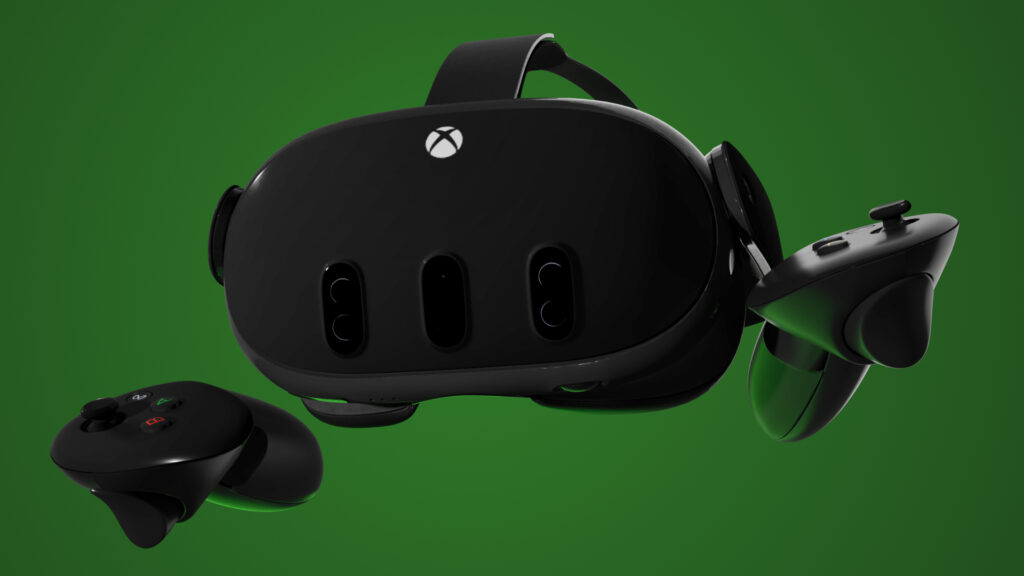
Meta Quest 3S Xbox Edition Leaks Ahead of Official Launch The Meta Quest 3S Xbox Edition has been leaked ahead of its official announcement, revealing key details about the device.
Key Details
Design: The headset features a distinctive black and green Xbox-themed design, matching the Xbox brand’s color palette.
Price: The device is expected to retail for $399, making it a budget-conscious VR option.
Storage: It will come with 128GB of internal storage, holding a solid lineup of VR games from the Meta Quest store.
Bundle: The package includes an Xbox wireless controller, an Elite strap, and a three-month subscription to Xbox Game Pass Ultimate.
Launch Date: The Meta Quest 3S Xbox Edition is speculated to launch on June 24, 2025.
Features and Capabilities
Compatibility: The device will be compatible with the complete Meta Quest library and support Xbox Cloud Gaming, allowing users to stream games directly in VR.
Hardware: It runs on the Snapdragon XR2 Gen 2 chip and features an LCD panel with Fresnel lenses, similar to the Quest 2.
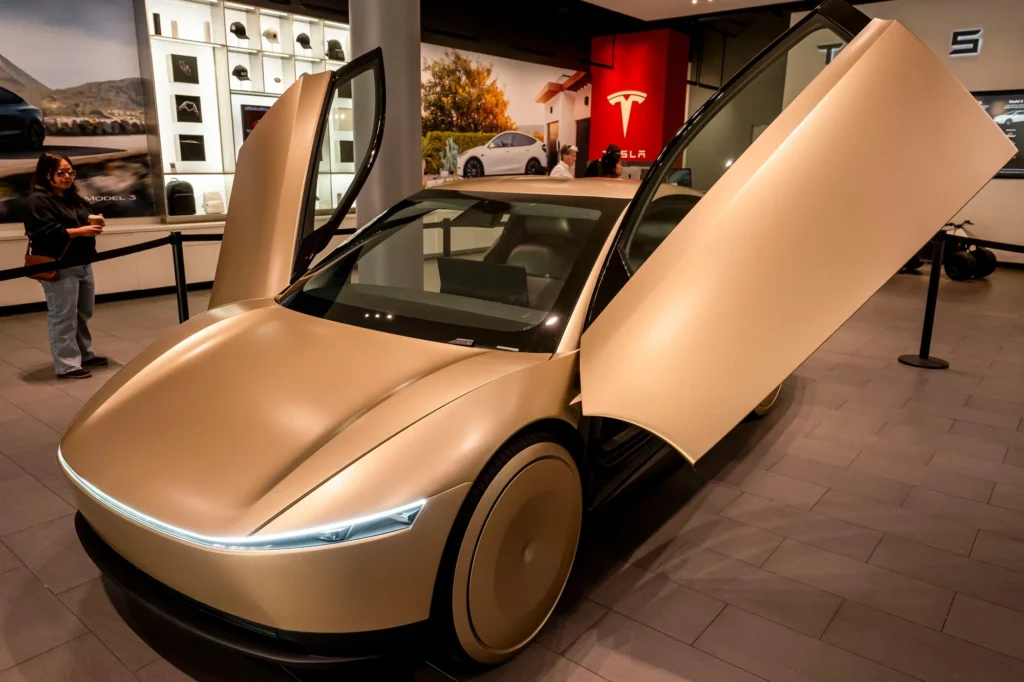
Tesla’s robotaxi control system will utilize remote access and control, also known as “teleoperation,” to monitor and intervene when necessary. Here’s how it works and its limitations:
ey Aspects of Tesla’s Robotaxi Control
Remote Monitoring: Humans will remotely monitor the fleet of robotaxis, ensuring safety and intervening when needed.
Strict Limits: The robotaxis will operate within predetermined areas, avoiding difficult intersections and complex scenarios.
Teleoperation: Remote operators can take control of the vehicle in case of trouble, such as navigating through crowded pedestrian areas.
Limitations of Tesla’s Robotaxi Control
Scalability: There’s a limit to how many vehicles one person can safely monitor, which may impact the scalability of the robotaxi service.
Unclear Teleoperator Role: The exact role and responsibilities of teleoperators are not yet clear, leaving some uncertainty about how they’ll interact with the vehicles.
Regulatory Hurdles: A group of Democratic Texas lawmakers has asked Tesla to delay the launch until September, when a new autonomous-driving law takes effect, citing public safety and trust concerns.¹ ² ³
Implementation and Safety Measures
Initial Launch: Tesla plans to launch its robotaxi service in Austin, Texas, with about 10 Model Y SUVs operating within strict limits.
Safety Priority: CEO Elon Musk has emphasized safety, stating that the company is being “super paranoid” about safety and will use humans to monitor the fleet.
US President Donald Trump has extended the deadline for TikTok’s sale to September 17, 2025, granting ByteDance, the app’s Chinese parent company, an additional 90 days to find a non-Chinese buyer. This marks the third extension, following previous deadlines in January, April, and June.
Reasons Behind the Extension:
The White House aims to ensure TikTok remains operational while a sale is finalized to protect American user data.
Trump believes Chinese President Xi Jinping will approve a deal allowing TikTok to continue operating in the US.
The administration wants to spend the next three months making sure the sale closes and protects US consumers’ data.³ ⁴
Reactions and Implications:
Democratic senators have criticized the extensions, arguing Trump lacks the legal authority to delay the deadline.
The proposed deal may not meet legal standards, raising concerns about national security.
TikTok will continue to operate in the US for the next 90 days, pending the sale.
Key Dates:
Current Deadline: June 19, 2025 (extended to September 17, 2025)