

Controlling the Connectivity Stack: G+D Reveals New Innovations at MWC
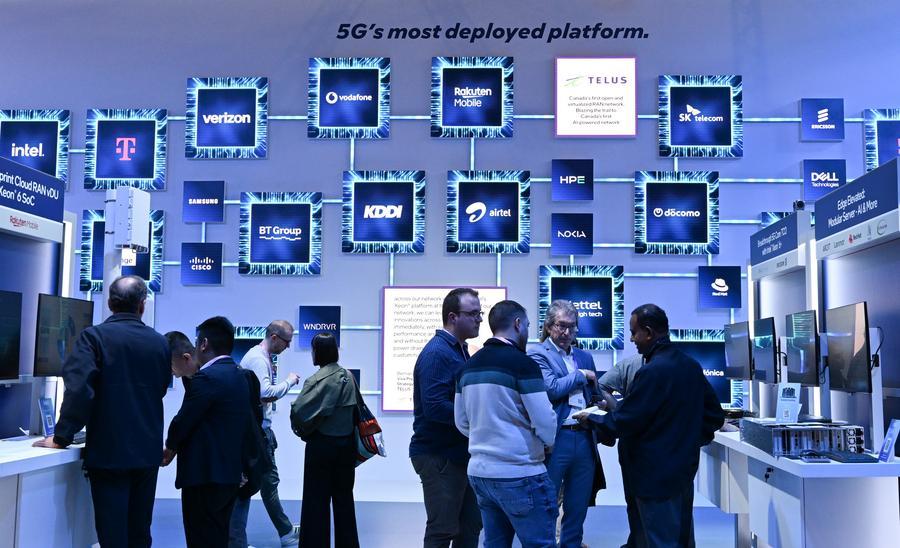
Controlling the Connectivity stack is at the core of modern mobile networks, enabling seamless communication, fast data transfer, and secure connections across the globe. At the Mobile World Congress (MWC), G+D showcased innovations that promise to redefine how telecom operators manage connectivity, improve efficiency, and enhance user experiences.
In a rapidly evolving telecom landscape, controlling the connectivity stack ensures operators stay ahead in network performance, security, and scalability. G+D innovations demonstrated practical applications of next-generation network technologies, ranging from advanced SIM management to embedded connectivity and digital security solutions.
Why Controlling the Connectivity Stack Matters
Mobile networks have grown increasingly complex, with multiple layers of hardware, software, and protocols interacting in real time. Today, mobile connectivity technology not only demands more than speed but also, consequently, requires precision, flexibility, and intelligent management. Controlling the connectivity stack allows operators to:
- Optimize network performance
- Reduce downtime and service interruptions
- Increase customer satisfaction
- Secure critical data and digital identities
At MWC, G+D highlighted strategies for maintaining control over every layer of connectivity, ensuring networks can handle growing demands from IoT devices, 5G deployments, and AI-driven applications.
Key G+D Innovations Highlighted at MWC
- Advanced SIM and eSIM Management
G+D presented solutions that allow telecom providers to manage millions of SIM and eSIM profiles efficiently, enabling remote activation, provisioning, and secure authentication. - Embedded Connectivity Solutions
Embedded connectivity in IoT devices was a major focus. By integrating secure connectivity directly into devices, businesses can deploy networks faster and reduce operational costs. - AI-Driven Network Optimization
G+D introduced AI-powered tools to monitor traffic, predict failures, and optimize the connectivity stack dynamically, improving network performance and user experience. - Next-Generation Security Protocols
Security remains a top priority. Innovations in encryption, identity verification, and fraud prevention were showcased to protect networks from emerging threats. - Global Interoperability and Scalability
Furthermore, G+D emphasized tools that allow telecom providers to scale services globally while simultaneously maintaining high performance and interoperability across devices and regions.
Impact on the Future of Mobile Networks
The future of mobile networks depends on the connectivity stack being flexible, intelligent, and secure. G+D innovations at MWC demonstrated how operators can meet increasing demands from 5G, IoT, and AI-powered applications.
By controlling every layer of the connectivity stack, companies can improve service reliability, reduce latency, and ensure data integrity, ultimately delivering a superior experience to end users. The technologies presented at MWC will likely influence network architecture and digital strategies for years to come.
At Mobile World Congress, G+D reaffirmed its position as a leader in mobile connectivity technology. By controlling the connectivity stack, operators can optimize performance, enhance security, and adapt to the rapidly evolving digital ecosystem. The insights shared at MWC demonstrate that intelligent network management, innovative security solutions, and scalable infrastructure are the pillars of the future mobile landscape.
For telecom operators, businesses, and technology enthusiasts, these developments indicate that, as a result, the future of connectivity will be smarter, faster, and more secure than ever.
See Alao: Technology Trends 2026 That Will Shape the Future
See Also: Exclusive: Trump reviews options to curb energy prices as Iran strikes roil markets