

PwC: Copper Constraints May Endanger a Third of Global Chip Production by 2035
A sweeping new report from PricewaterhouseCoopers (PwC) warns that by 2035, approximately 32% of global semiconductor output could be disrupted due to copper supply challenges a fourfold increase from today’s risk levels reddit.com+8mining.com+8reddit.com+8. Copper, crucial for tiny wiring in chips, is currently irreplaceable in terms of performance and cost, making the situation deeply concerning for the industry.
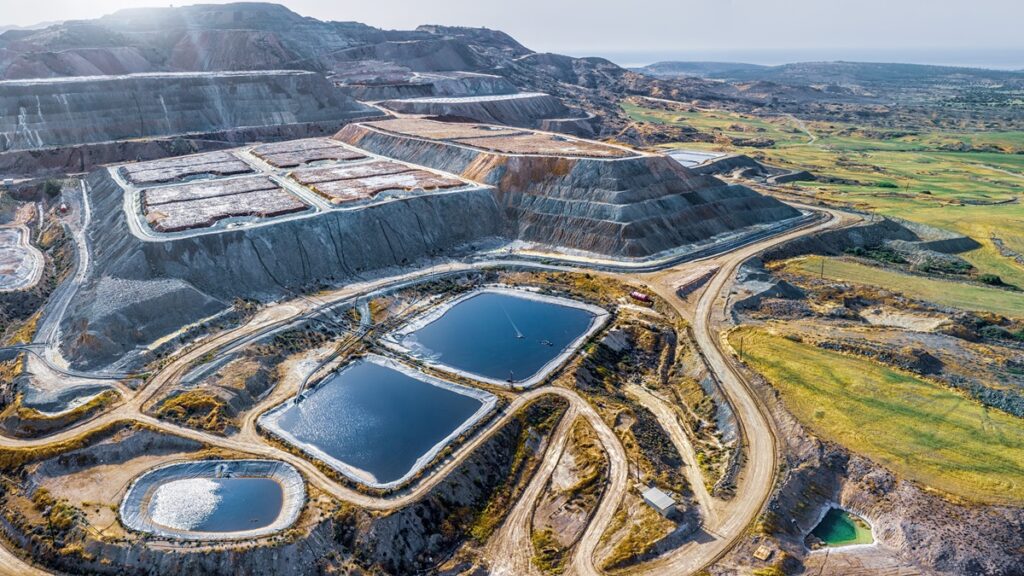
The Role of Copper in Semiconductor Production
Copper plays a vital role in chip production, powering the billions of tiny wires inside every semiconductor. However, copper production requires significant amounts of water, and climate change is exacerbating drought risks in major copper-producing countries.²
Countries at Risk
Major Copper-Producing Countries Affected:
- Chile: The world’s largest copper producer, Chile is already grappling with water shortages that are slowing down production. By 2035, most of the 17 countries supplying the chip industry will be at risk of drought.
- Peru: Another significant copper producer, Peru is also facing drought risks that could impact copper production and, in turn, global chip supplies.
Impact on Global Chip Production
The PwC report warns that the risk of copper supply disruptions will increase to between 42% and 58% by 2050. This could lead to:
- Supply chain disruptions: Droughts affecting copper production could cripple industries reliant on semiconductors.
- Increased risk of chip shortages: The last global chip shortage, fueled by pandemic-driven demand and factory shutdowns, had a devastating impact on the automotive industry and other chip-dependent sectors.³
The PwC report emphasizes the urgent need for industries to address the risks associated with climate change and copper supply disruptions. To mitigate these risks, companies can explore alternative materials, invest in water conservation efforts, and develop more efficient supply chains. By taking proactive steps, industries can reduce their reliance on copper and minimize the impact of potential supply disruptions.




Evolutions evolves